A conversation with Jim
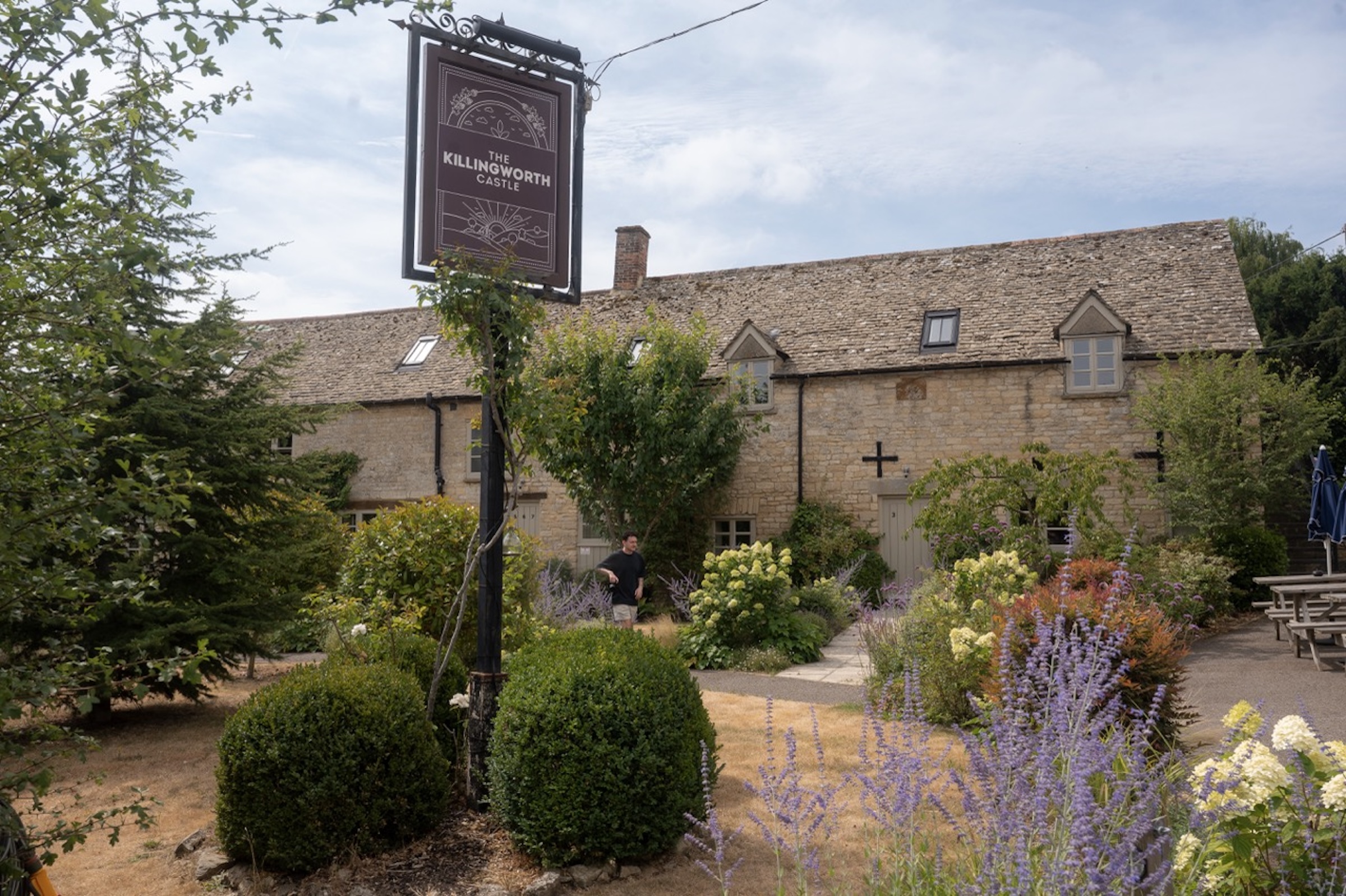
When Jim took over The Killingworth Castle fourteen years ago, the pub was closed and derelict. Today, it is a destination gastropub in the Cotswolds, shaped as much by the history of its building and the warmth of its welcome as by what arrives on the plate.
We sat down at the pub to talk about what makes somewhere worth travelling for, why his approach to hospitality has changed over twenty years, the details guests rarely notice, and why he believes the British pub still has an essential role to play in its community.
The Killingworth Castle has become a destination rather than simply a village pub. What do you think people are really coming here for?
I think it's a combination of feeling at home, the welcome, the food experience that we provide, and a sort of formal but relaxed dining experience.
You don't feel uncomfortable, and I think that stays with people. It resonates with people, making them feel comfortable, but also exceeding their expectations when it comes to delivering the food and service.
When you first took over the pub, what did you want it to become that it wasn't already?
Well, firstly, it was closed and derelict.
We'd been running at two Rosettes and quite a high volume of covers at the Ebrington Arms, and we wanted to replicate what we'd already achieved at our first site. We did that within the first six months and achieved our two Rosettes with the AA.
We consequently set about refurbishing and developing the rest of the site through a combination of crowdfunding, bank finance and shareholder debt. It's been quite a long road for the last fourteen years.
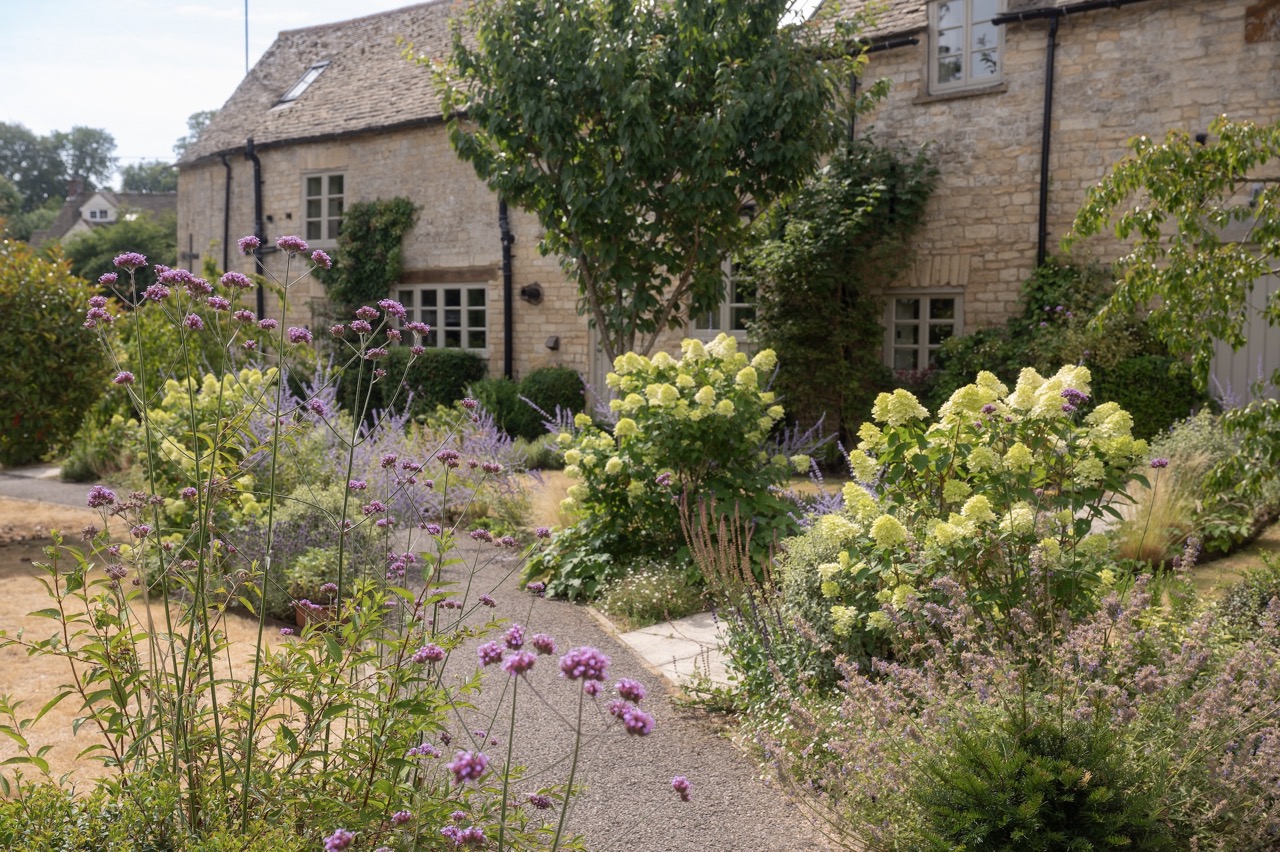
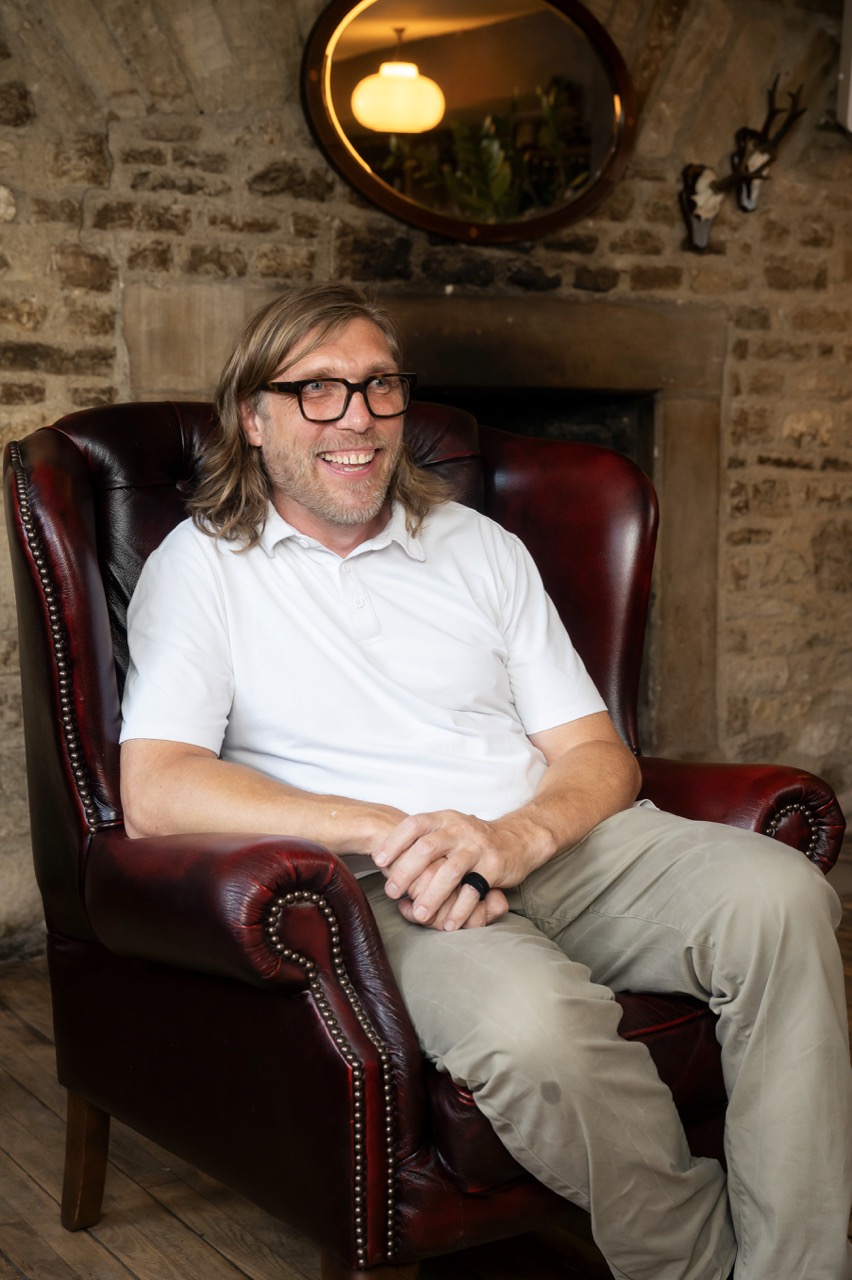
You've transformed the place over those years without it losing its character. How do you know when to change something and when to leave it exactly as it was?
I think making the most of a building's history and interiors, so it leaves you plenty of stories to communicate to your customers, is really important.
Playing to the building's history really resonates with me. I enjoy designing a building that reflects that and makes people feel like they're immersed in the building's history, rather than stripping it back and it no longer being a reflection of what it always should be.
How has your own idea of hospitality evolved over
the years?
It started out with bums on seats, without a doubt, and has evolved into something completely different to what we set out to achieve.
We were chasing covers, chasing turnover, chasing how many plates we could send out per service. We're now very much focused on making sure that the experience is right for the right amount of covers, with the right amount of team, and not overstretching ourselves.
That has been quite a journey, and it is very different to where we were.
I think that's also very reflective of where we're at location-wise. We have to provide a level of experience that makes it worth the journey, because that is a big consideration for our customers.
We're remote. We're a destination pub. We don't have thousands of people on our doorstep passing our front door every day. We have to be strong enough on people's radar to make them drive ten miles, if not more, to see us.
People still dine out now, but the frequency of visits to pubs is far less than it was when we first started running pubs twenty years ago. We have to focus on the experience that we provide to people on a less frequent basis, but make sure we deliver so that next time, they come back rather than go somewhere else.
How much does the Cotswolds itself influence the experience guests have here? Could the pub exist in quite the same way somewhere else?
I think the location really speaks for itself. It would be difficult to replicate this in Bolton or East London.
You have to reflect the countryside's appeal with the landscaping we've done in the garden and all of those kinds of things. I think it would be very difficult to do this again in a more urban environment.
You just have to enjoy it.
Great hospitality is often made up of things guests never consciously notice. What are the details that you and your team obsess over?
Jim: Oh my goodness. Loads.
Customer feedback is a really big thing for us, especially when it's negative. We feel hugely frustrated about it, and we'll bore down into the detail of where they were sitting, why they were upset, why they didn't get the experience that we were hoping to deliver, and whether it was us or whether they were just not having a great day.
That's probably one thing we obsess about a little bit too much.
Éloïse: What about the physical details? Lighting, for example?
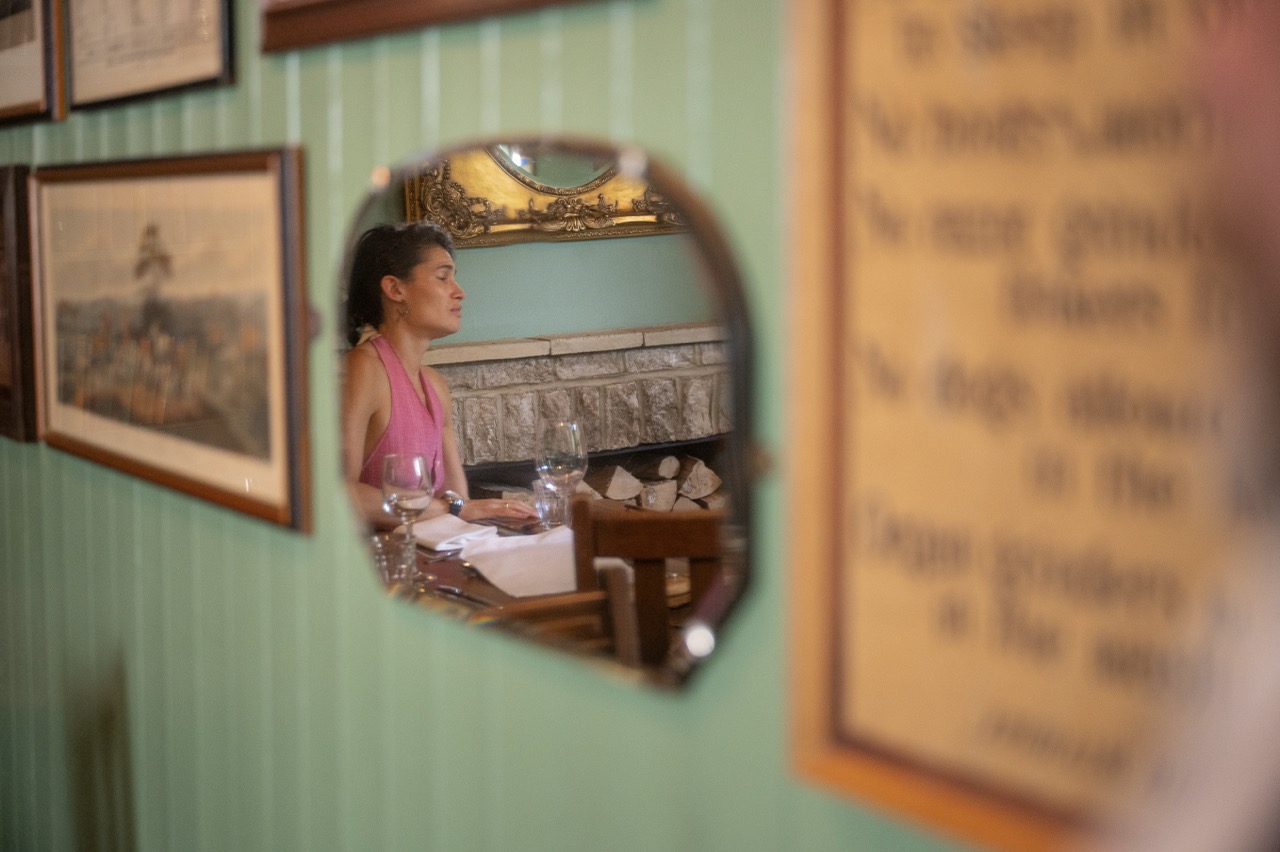
Jim: Lighting is something I really struggle with communicating to the team all the time. We're in an old building with old electrics. Everything's controlled in the wrong place and nothing is simple. We can't afford electronic dimming when the lighting levels outside reach a certain point, so everything's manual.
Especially in winter, when you're moving between dusk and darkness, it's about getting the candles on at the right time, getting the lighting to the right levels in the different areas, getting the right light bulbs.
All of those things.
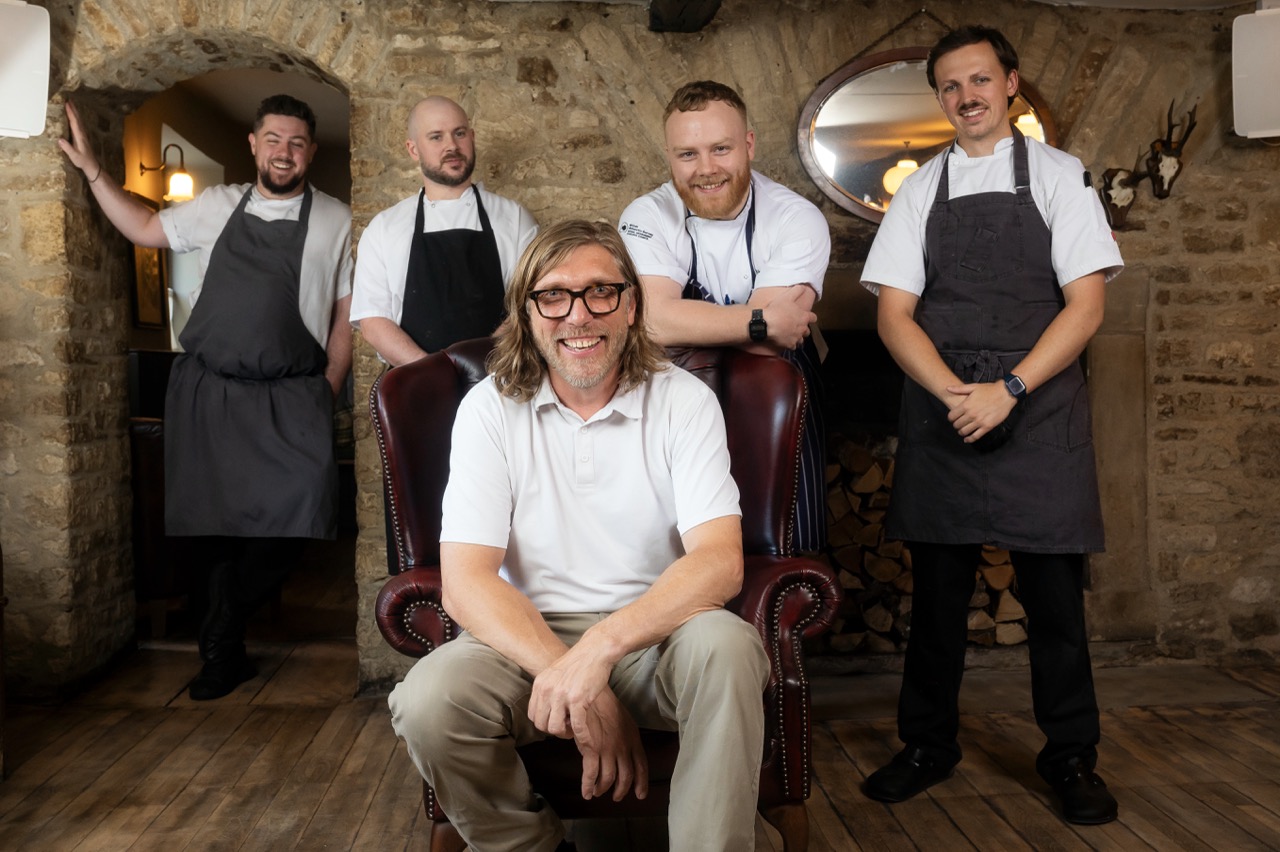
British pubs have traditionally been places where communities gather. Do you think that role is changing?
Jim: I do think that role is changing.
I feel very sad that the pub is no longer the central hub for communications. I think social media has had a negative impact on the next generation's reliance on finding somewhere to meet and communicate with each other.
The pub should be the hub before social media. It should be the first place where people connect in our communities, not just rurally but in urban areas and right across the UK.
They're really special places, and if communities stop using them over other forms of communication, they will cease to exist. It is very, very sad that we're seeing so many of them close.
Éloïse: It's something particularly special to the UK. We have cafés in France, for example, but it's not quite the same. Pubs have an identity that you don't find in many other countries.
Jim: I think communities need to recognise how important they are. As part of the services, along with churches, community shops and schools, they need to be treated with the same respect.
What do you think people most misunderstand about running a great gastropub?
Jim: How much work it is.
It's not easy, and the finances are harsh at the moment.
If there was a national service, I think it should be running a local pub for a year. It shouldn't be military-based. It should be serving your community in your local pub.
Éloïse: I think someone might take you up on that idea. It's not a bad one.
I always like to finish with something more personal. What's the most memorable hospitality experience you've ever had as a guest, and what made it stay with you?
Jim: Oh my goodness. I'm useless at being a guest. I really am. For twenty years, I've been an absolutely useless guest.
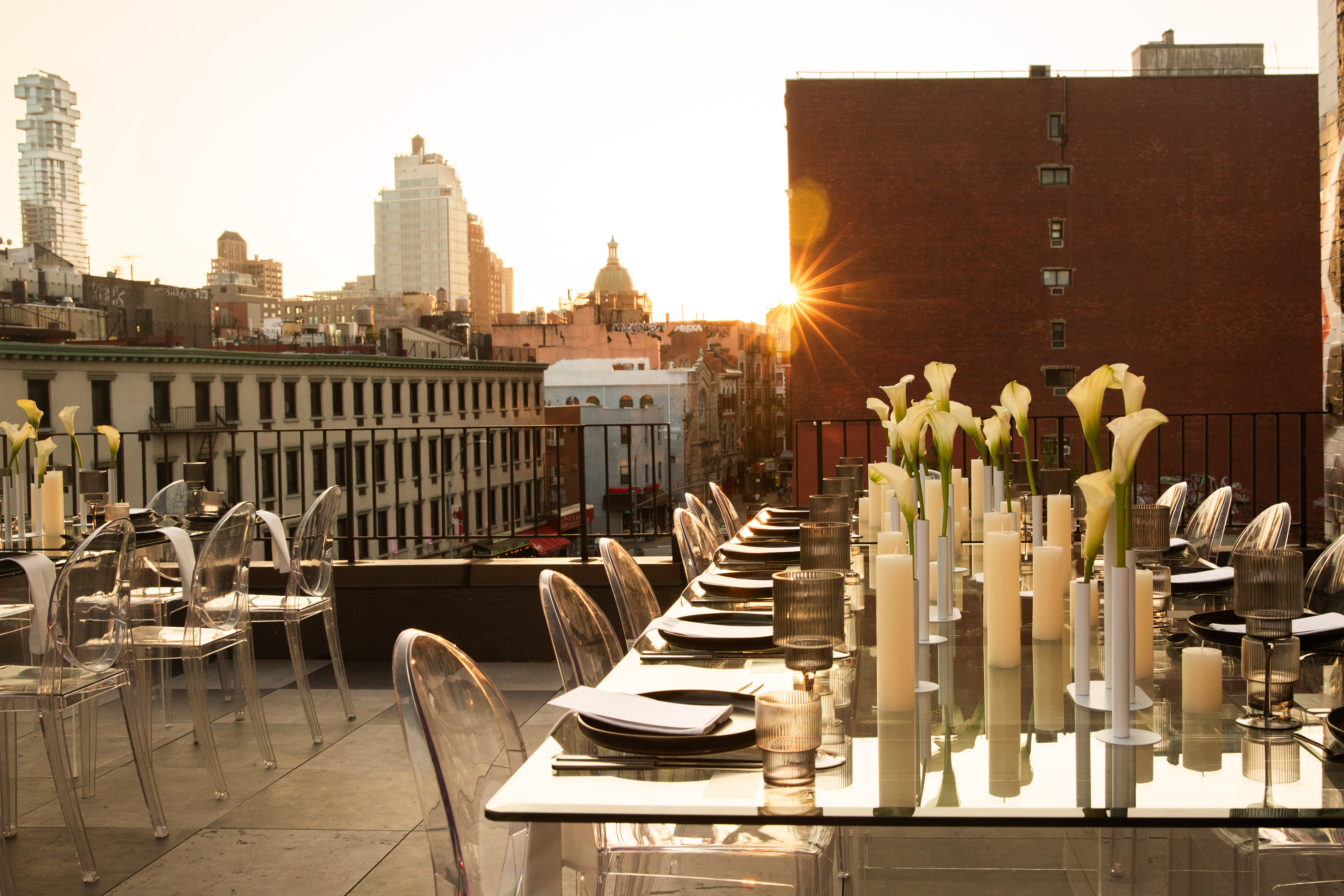
My 50th at the Wythe Hotel in Brooklyn was amazing.
It was the welcome at reception, the staff in the cocktail bar overlooking Manhattan, the community feeling in the restaurant. I was able to dine on my own and feel looked after by waiters who were really social and very easily recognised when I wanted to be left alone, but also recognised when I felt like having a chat.
It was great.
Éloïse: Interestingly, and I'm going off script here, you've talked about so many things and you haven't even mentioned how good or not good the food was. One of my strongest beliefs is that hospitality is a mix of so many things. Of course, if you had a terrible meal, you'd never go back. But a year from now, you probably won't remember exactly what you ate. You'll remember what everything else felt like that day, the little touches, the ambience, the atmosphere, maybe even the smell.
Jim: I do get wrapped up in the food and the detail as well.
Éloïse: Of course. That's part of what makes people want to return.
Jim: But everything else is so important.


PLACE
Kalei, NYC
New York City
"What might begin as a gallery visit becomes something more intimate, more human."