I went to Bali for Into the Wild expecting the greatest value to be the people I would meet.
Building Gaiama from Singapore, I wanted to spend time with chefs, food writers and others working across the culinary world in this region. There is an enormous difference between being another name in someone’s inbox and being someone they have already spoken to, eaten with or shared an experience with.
I did come away with new relationships. But that wasn't ultimately what interested me most.
For three days at Locavore NXT, I was given unusual access to everything that normally happens before I encounter food as a guest. We foraged, cooked, fermented, listened, tasted and watched chefs work outside the structures they normally rely on. By the end, I was thinking less about individual dishes and much more about everything required for those dishes to exist in the first place.
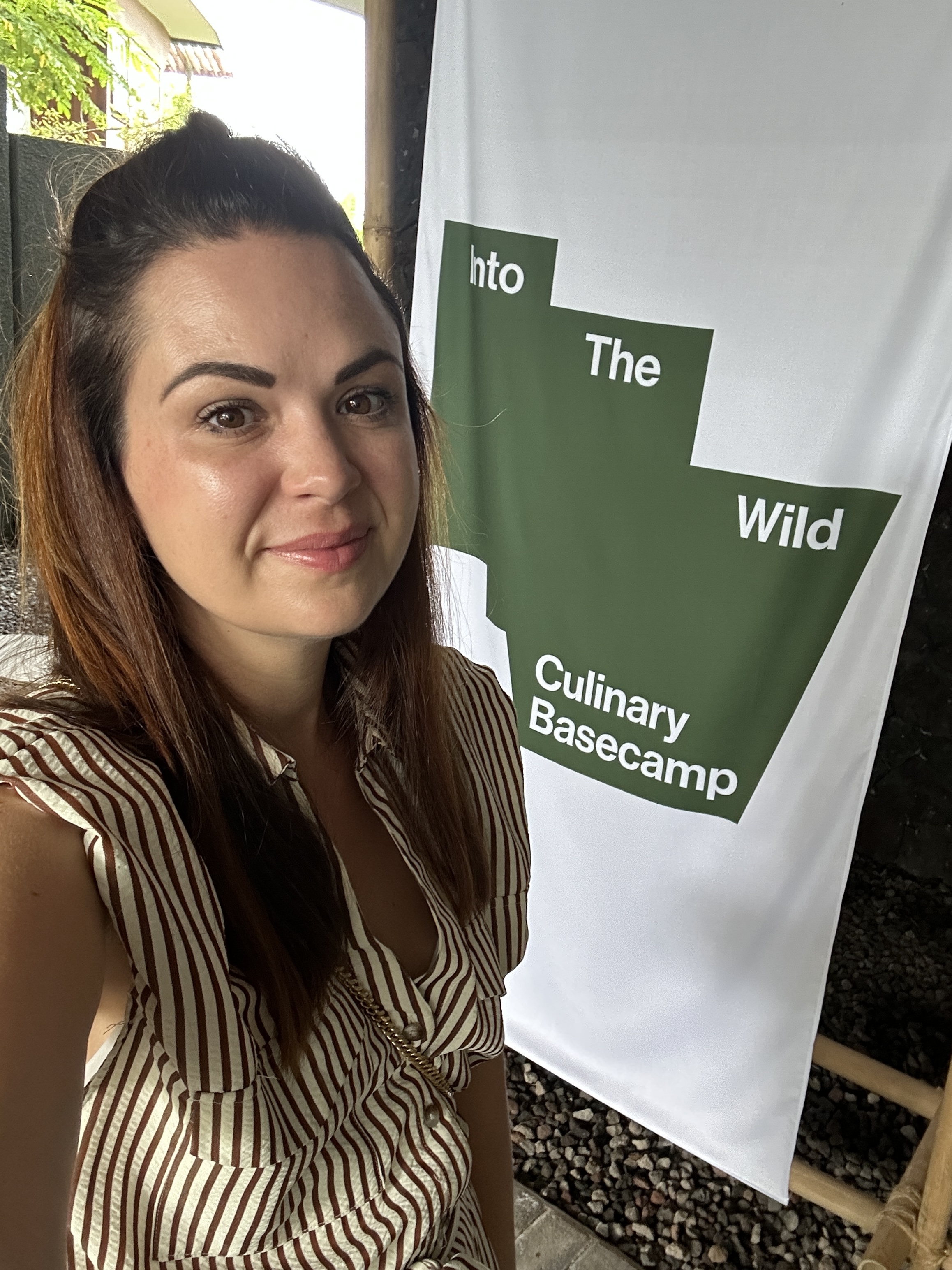
“Sometimes immersion means allowing people to see more of what is already inside the food.”
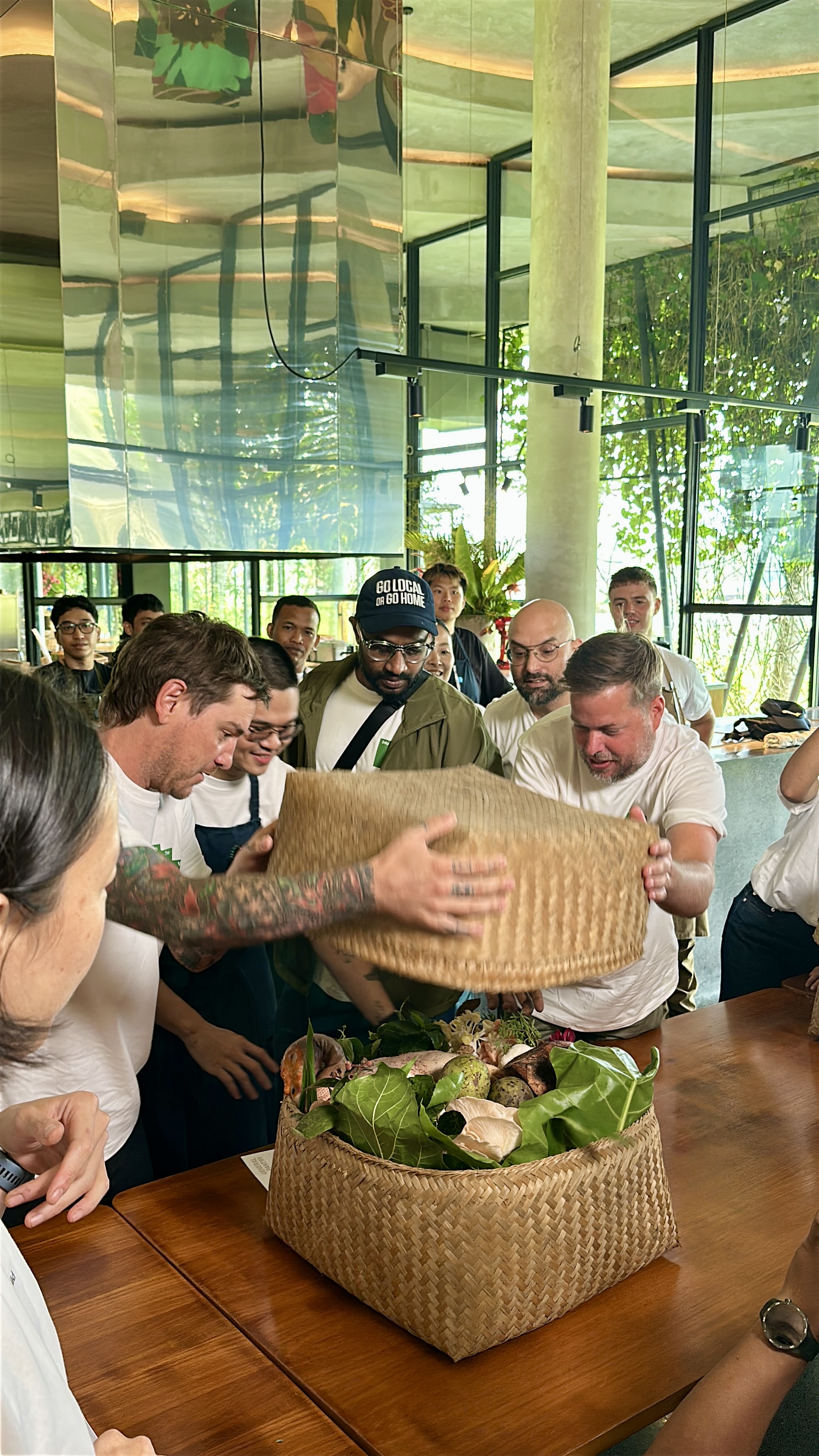
During one challenge, the chefs were divided into teams and given boxes of mystery ingredients. Once the boxes were opened and the rush for additional pantry ingredients was over, their approaches immediately diverged.
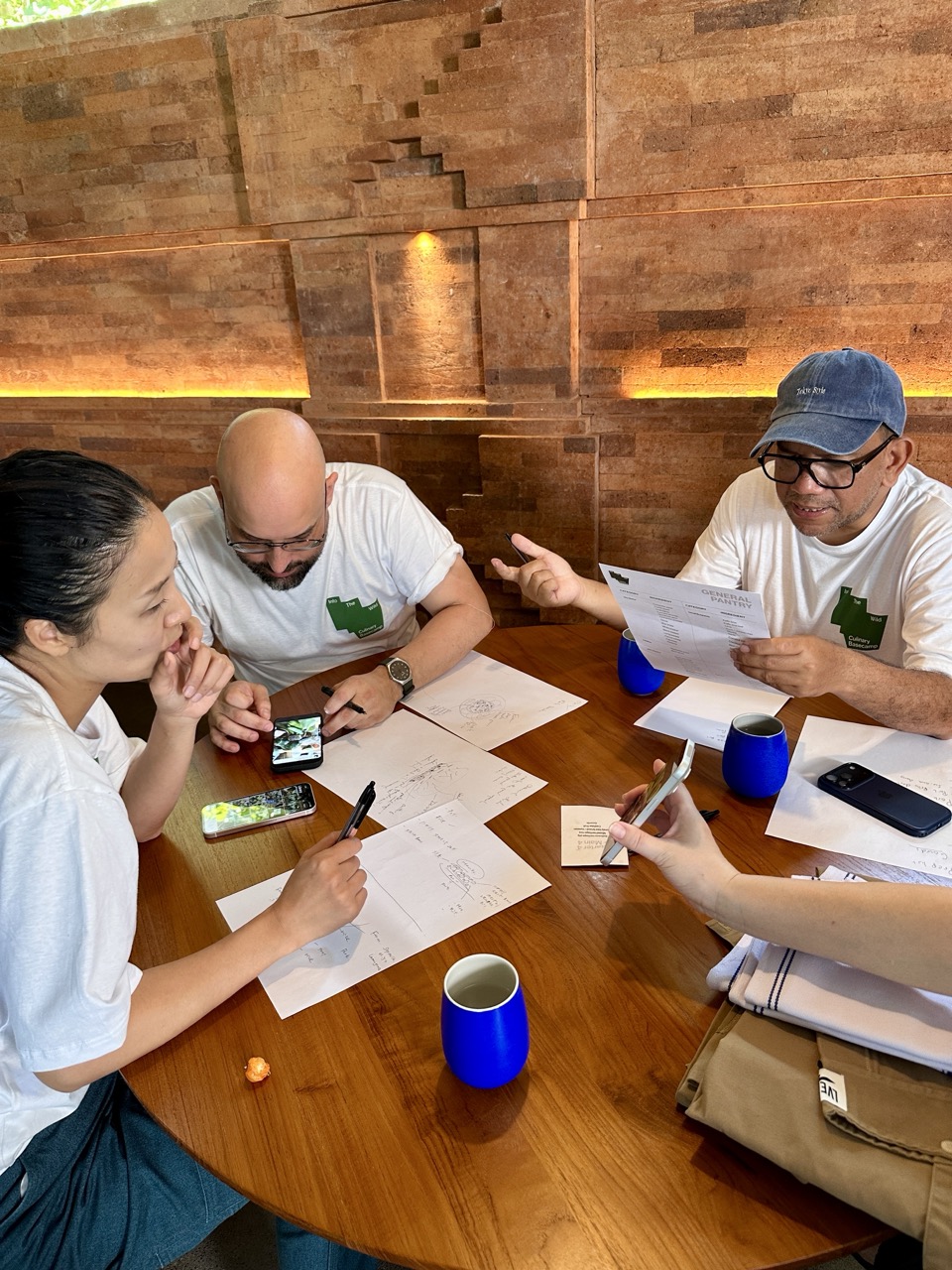
One team photographed what they had, moved away from the ingredients and sat together with pens and paper. They started drawing, mapping flavour combinations and imagining what the finished dish might look like. Other teams barely moved away from the produce. They needed to touch, smell and taste before ideas began to form.
Some worked almost entirely through instinct. Others needed a plan.
What I loved was that there was no prize at the end. There was some playful competitiveness, particularly when everyone realised they wanted the same pantry ingredients, but nobody was going to be declared the winner. The exercise became much more about collaboration, understanding what each person could bring and working out how several different culinary instincts could become one dish.
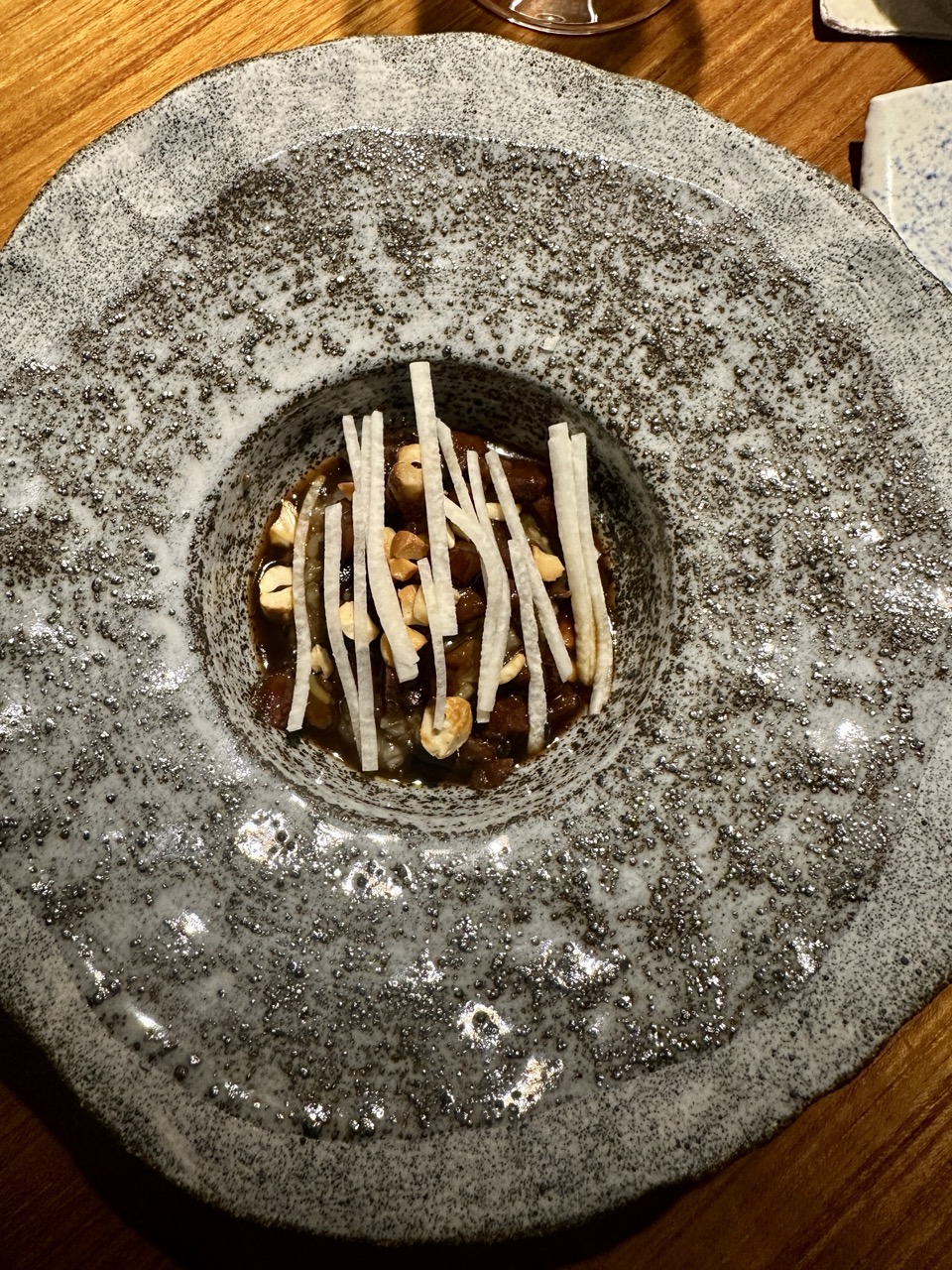
One team was handed a cow snout.
It is not necessarily an ingredient that immediately makes people hungry, which made what they eventually produced even more interesting. They turned it into a black koji rice porridge with braised cow snout, balancing texture and flavour in such a way that it became one of my favourite dishes of the final meal.
Would they have arrived at that dish if they had been able to choose any ingredient they wanted? Perhaps not.
There is something fascinating about watching a constraint force creativity rather than limit it.

“By the time food reaches a plate, an extraordinary amount has already happened to it.”
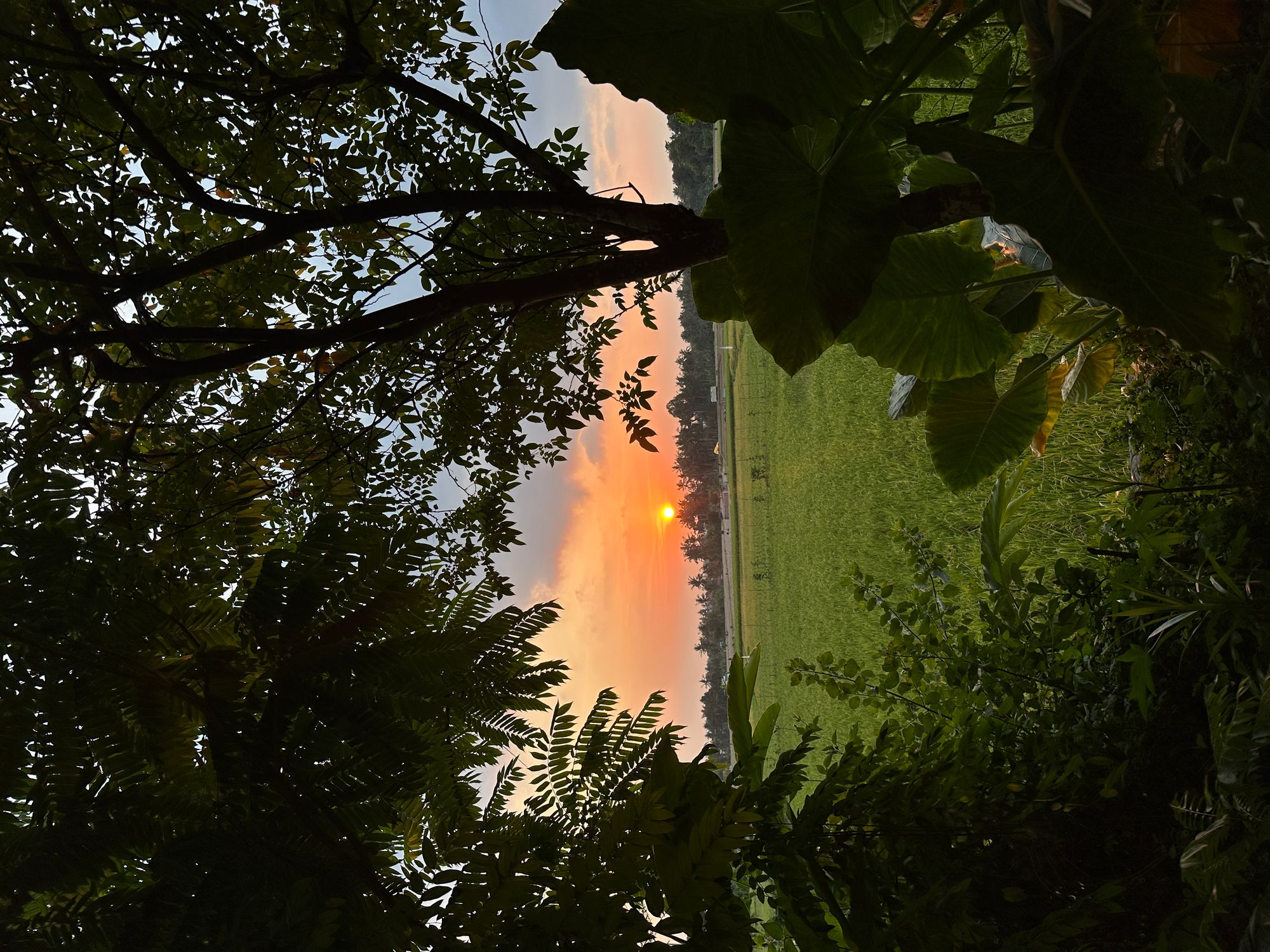
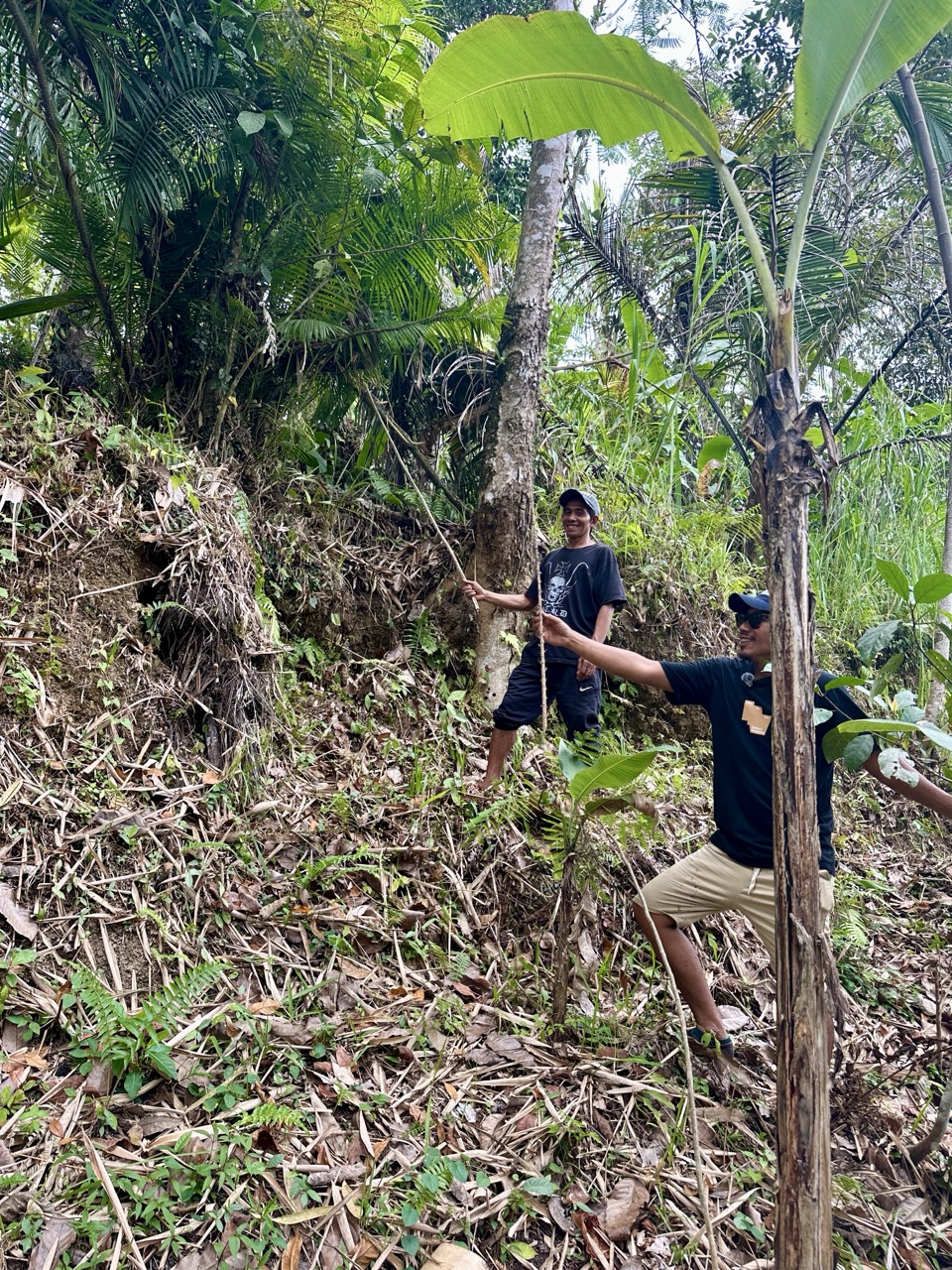
I felt the same thing during our day in Payangan. We spent the morning foraging before eventually arriving at a long table positioned between the jungle we had just explored and the surrounding rice fields.
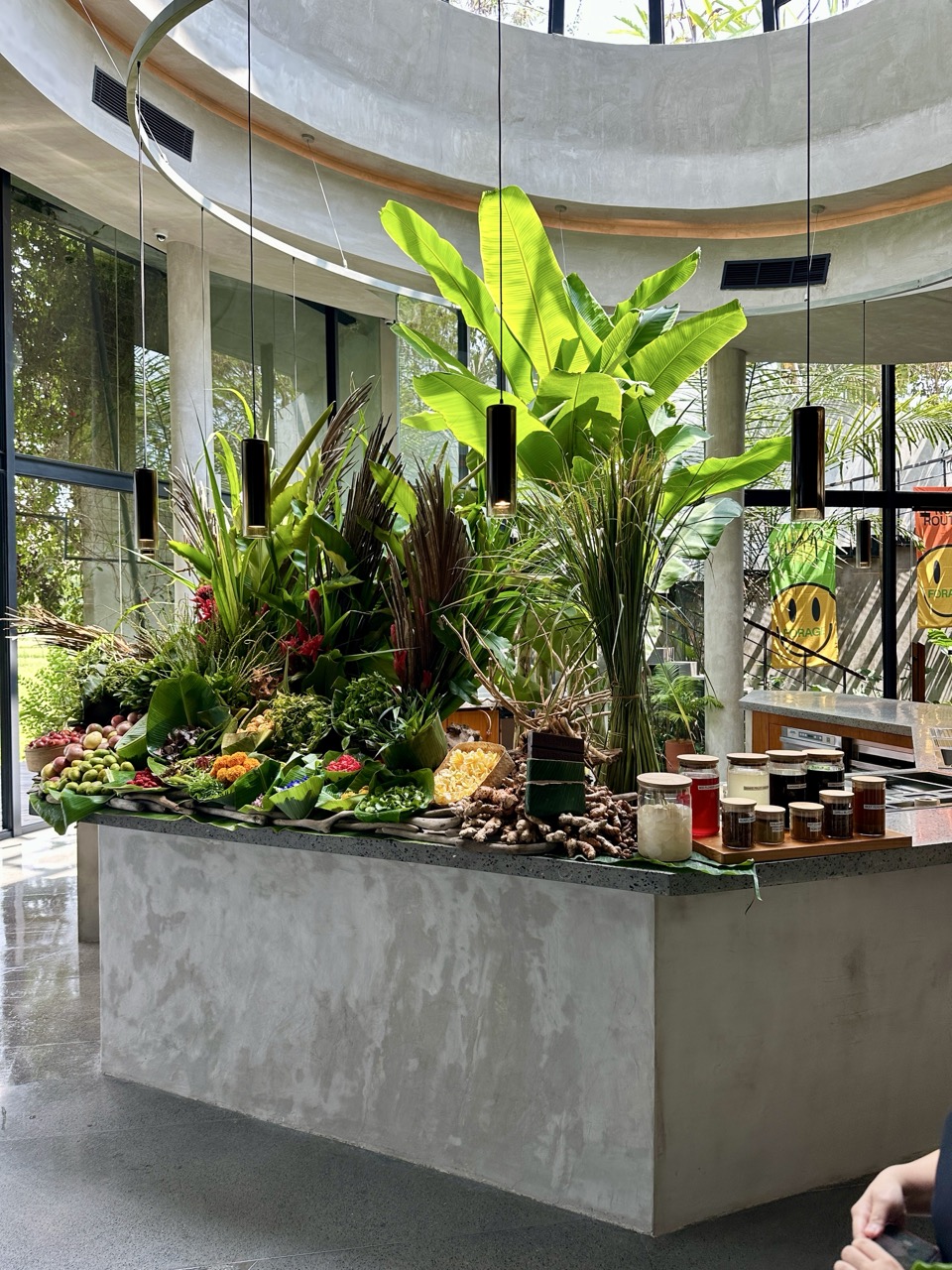
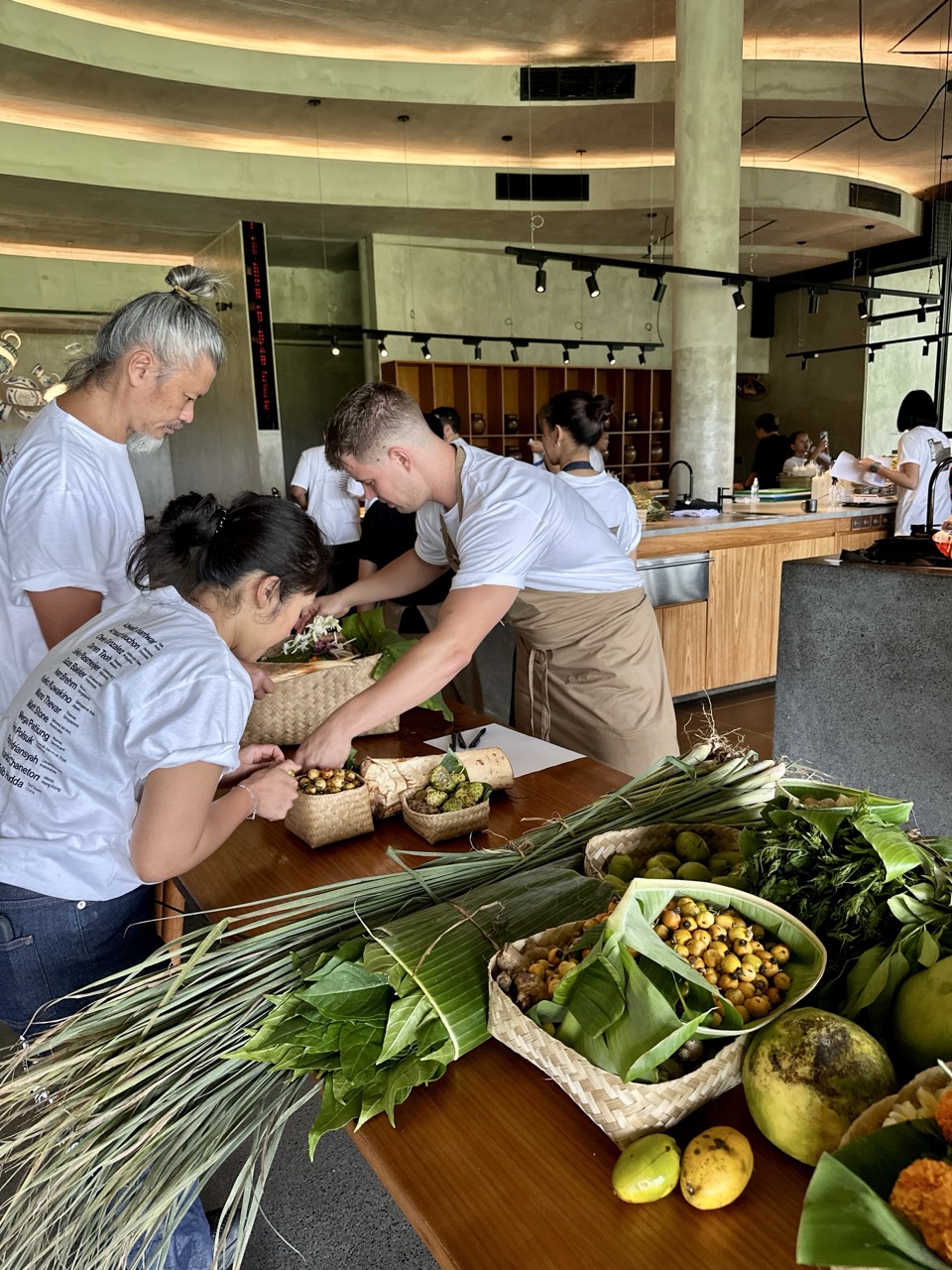
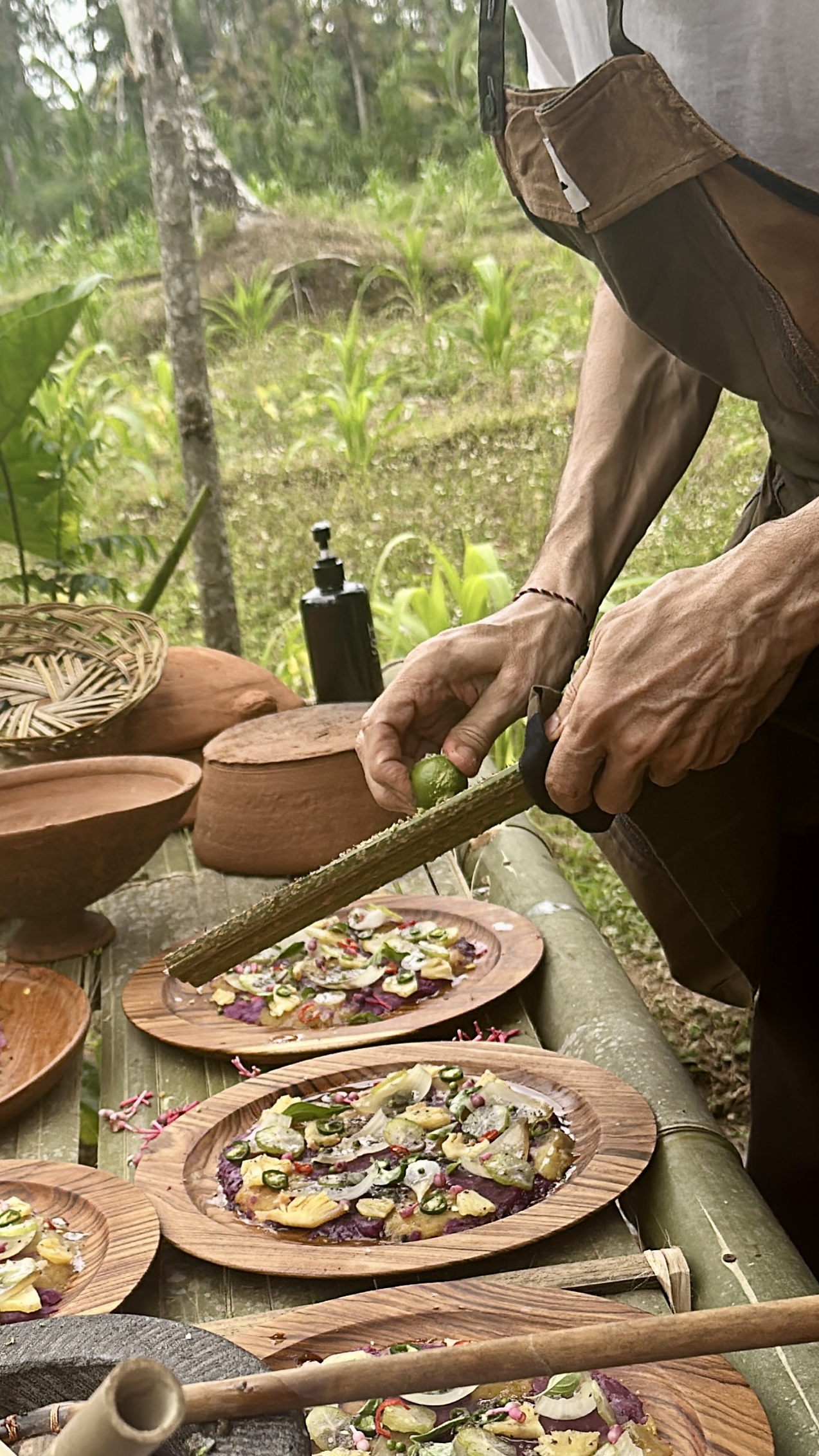
The chefs had gone through their own version of the foraging experience and were then unexpectedly tasked with preparing lunch. When we arrived, they were finishing the dishes around us. The prep tables were covered in colour, with vegetables, leaves, flowers and other ingredients that had come directly from the landscape we had just spent the morning walking through.
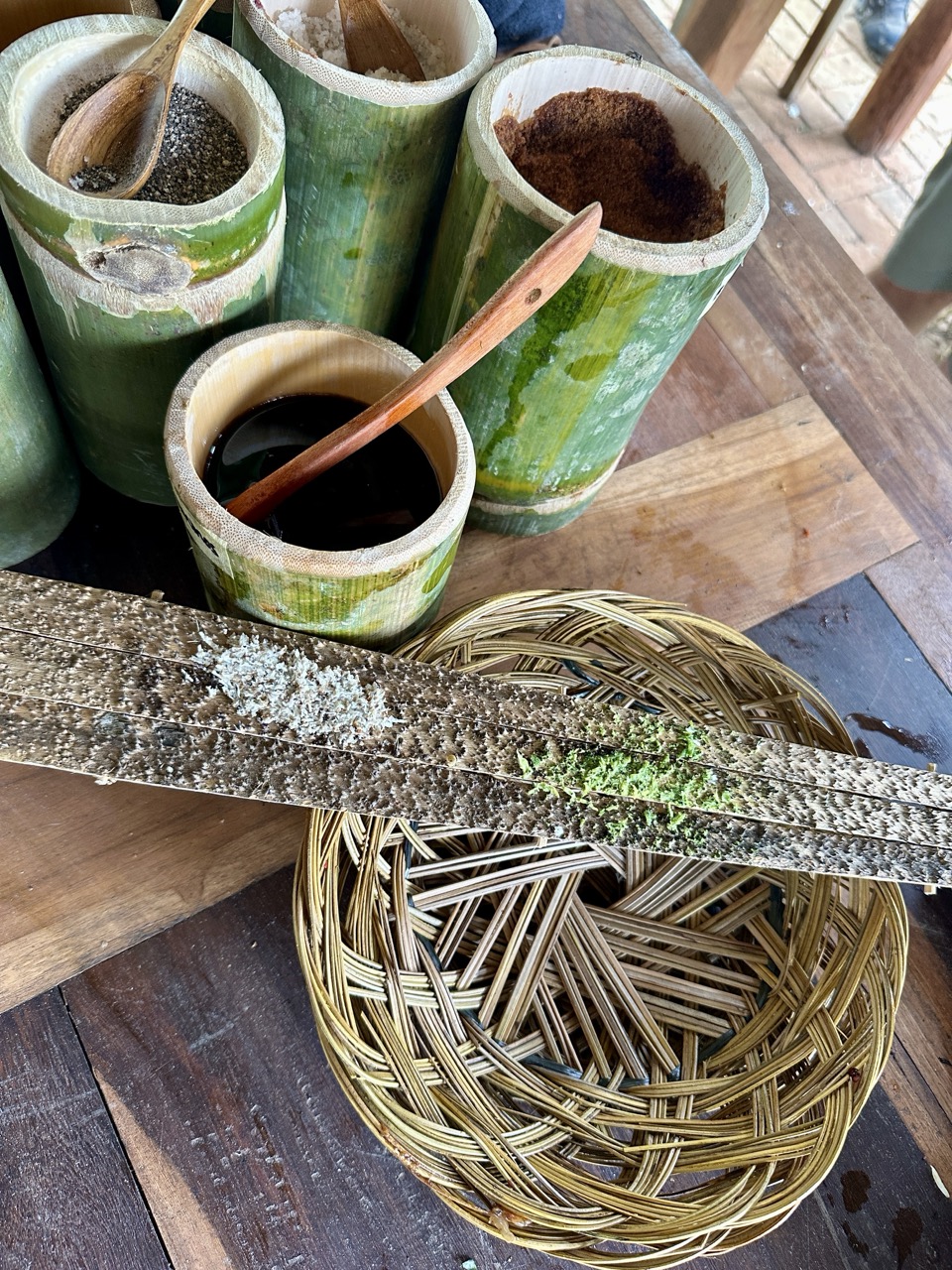
Chef Arnaud Hauchon was finishing one dish by grating lime against rattan rather than reaching for the sort of modern grater that would normally be waiting for him in a kitchen.
It was a tiny detail, but I loved it. A highly experienced chef still having to adjust, learn and work differently because the place demanded it (whilst making sure not to grate his knuckles off!).
“Suddenly, even ‘farm to table’ felt like we had joined the story somewhere in the middle.”
Our guide that morning was Ida Bagus Yana Gede Kasida, known as Boss Kasida, Locavore NXT’s Head of Foraging. Watching him move through the landscape made another part of this increasingly clear to me: some knowledge cannot simply be transferred from one location to another.
Knowing that something is edible is one thing. Knowing where it grows, when it is ready, why one version tastes different from another, what role it has played within local traditions and how much can responsibly be taken is something much deeper.
That knowledge belongs to place.
And this is where Into the Wild connected with something I have been thinking about for several months.
I originally thought the story of a dish started with the ingredient.
Then, after spending more time with farmers and producers, I began thinking that perhaps it really started with the soil.
In Bali, during a session on the Subak system, we were encouraged to look further upstream still.
What about the water?
Subak is often described simply as Bali’s traditional irrigation system, but the session presented something far broader: a system of water, agriculture, community, culture and inherited knowledge that has developed and adapted across generations.
Before water reaches a rice field or farm, there is a landscape protecting its source. There is forest and mountain, then spring and water, then Subak, then the field, the harvest, the kitchen and eventually the plate.
Suddenly, even “farm to table” felt like we had joined the story somewhere in the middle.
That thought could become overwhelming quite quickly, because how far backwards do you go?
The water influences the soil. The soil determines what can grow. Climate changes flavour. Communities develop knowledge around what thrives there and how it should be cultivated. Farmers and foragers know when something is ready. Ingredients can then spend weeks or months being fermented, aged, preserved or transformed before a chef begins assembling what we eventually recognise as dinner.
During a fermentation workshop, I was struck by how little I knew about many of those transformations. Even something that appears to have reached the end of its useful life can begin another one. Wine can become vinegar. Parts of ingredients that might otherwise disappear can be preserved or transformed into something entirely different.
By the time food reaches a plate, an extraordinary amount has already happened to it.
And yet, as diners, we often encounter only the final few minutes of that journey.
That is probably the biggest shift Into the Wild created in the way I think about immersive culinary experiences.
For me, immersion has never meant simply surrounding people with more spectacle. Increasingly, I think it is about depth. How many meaningful layers can we connect without making the guest feel as though they have enrolled in a class before being allowed to eat dinner?
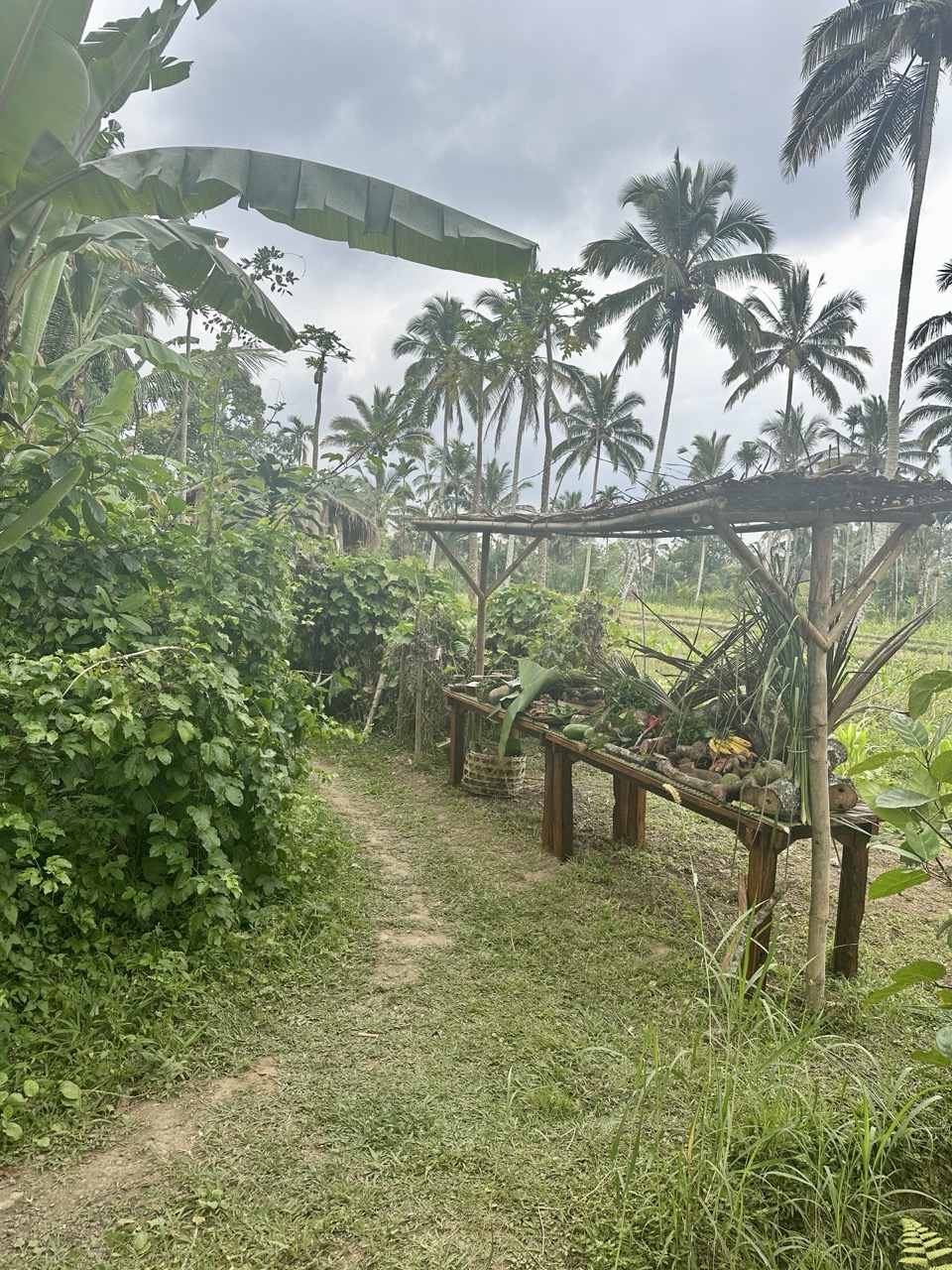
At the jungle lunch, there was a simple display positioned along the path to the table showing the ingredients being used in the meal.
Nobody stood beside it delivering an explanation. We weren't required to stop. There was no test afterwards.
It was simply there.
Because we had just spent hours moving through the same landscape, I could look at those ingredients differently. Later, recognising something on the plate that I had just seen growing somewhere nearby changed my relationship with it again.
One edible flower we encountered grows on Arabica coffee plants. Once you have seen it in that context, finding it later on a dish no longer feels like encountering an anonymous garnish. You know something about where it came from.
That is a very small intervention, but it has given me a lot to think about for Gaiama.
How much process should we reveal to guests? How can we make provenance tangible without overexplaining it? Can the journey to the table become part of the experience without competing with the pleasure of simply sitting down and eating?
Maybe it is an ingredient display on the way to dinner. Maybe it is meeting the person who grew something. Maybe the chef cooks part of the meal in the landscape where its ingredients originated. There are probably hundreds of possibilities, and I am increasingly convinced that immersion does not require inventing more around the food.
Sometimes it means allowing people to see more of what is already inside it.
I arrived in Bali knowing very little about what was actually grown there. If I am completely honest, I had assumed the island simply didn't produce that much that would be interesting from a culinary point of view.
I could hardly have been more wrong.
Three days later, I left wanting to understand provenance in many more places, to learn from people whose relationship with their own landscape has taken a lifetime to develop, and to keep watching what happens when talented chefs are removed from familiar routines and asked to respond to somewhere new.
The experience left me with far more questions than answers, which I suspect is exactly why I enjoyed it so much.
The main one now is simply: how quickly can I do this again?


@eloisemercierfox
The Problem Was Never the Food
“When I look back at the meals that have stayed with me emotionally over the years, very few are tied purely to taste.”
.png)