What changes for you when cooking outside your own kitchen?
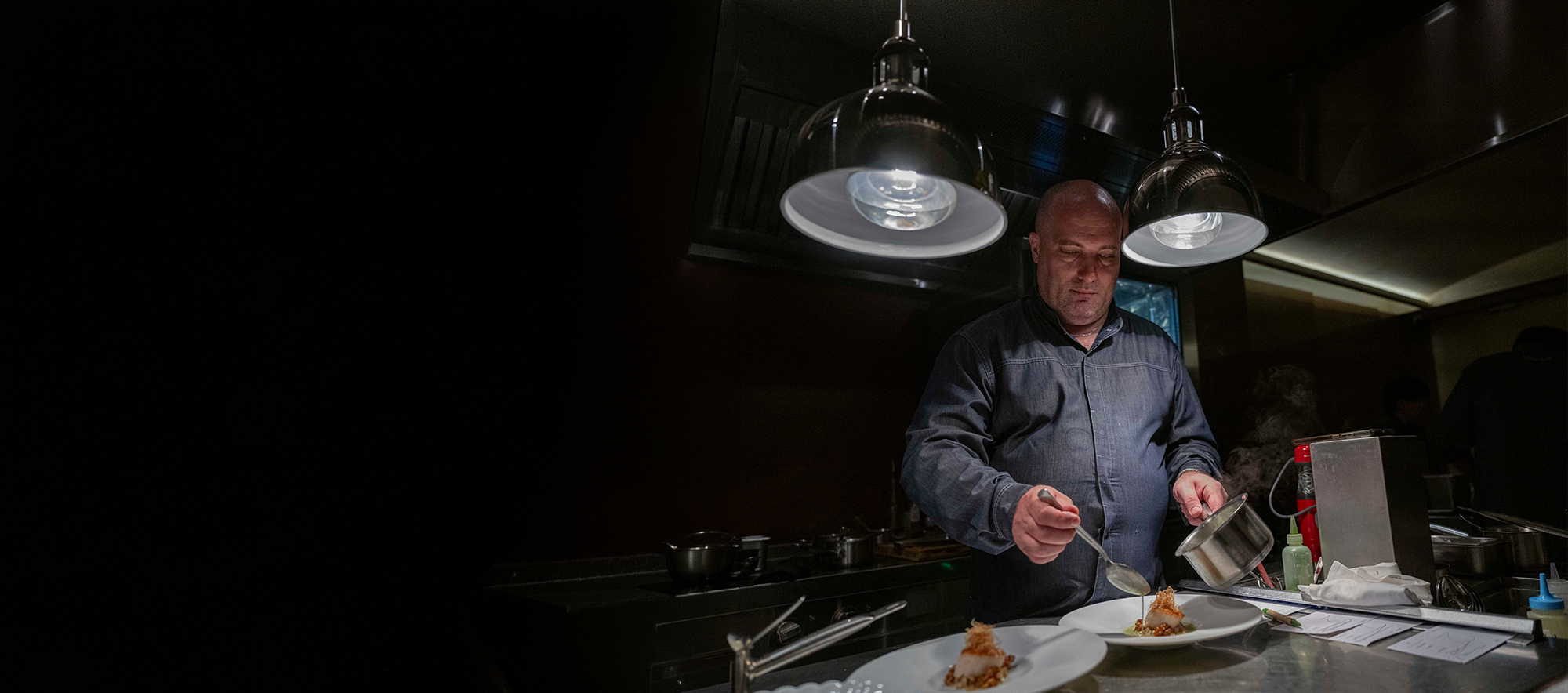
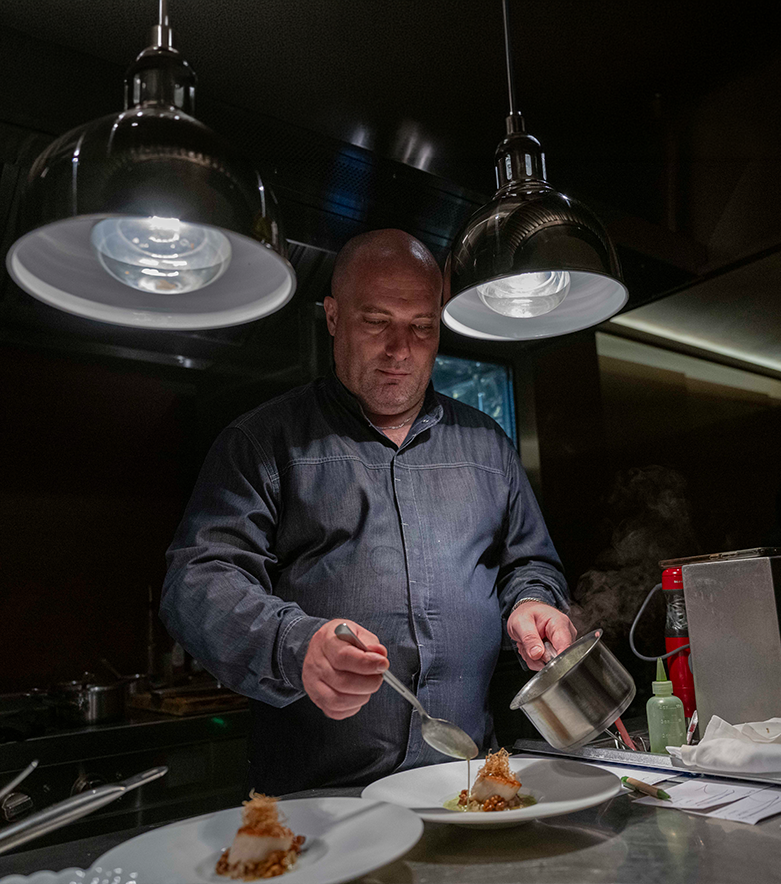
When I cook outside my own kitchen, the biggest change is the environment itself. In my restaurant, everything is routine: the team, the equipment, the produce, the layout of the space.
Outside of that environment, you have to adapt very quickly. You rely much more on experience and communication with the team. It forces you to stay very present.
What do you lose, and what do you gain, when leaving the structure of your restaurant?
You definitely lose control of your routine. The precision and comfort of your own ecosystem disappear.
But in exchange, you gain energy, spontaneity and sometimes unexpected creativity. Cooking elsewhere reminds you that cuisine is alive.
It should evolve depending on the situation, the people, the place, the produce and the guests.It keeps you humble and sharp.
"People become fully present because they know it cannot be repeated."
How much does a location shape what you cook?
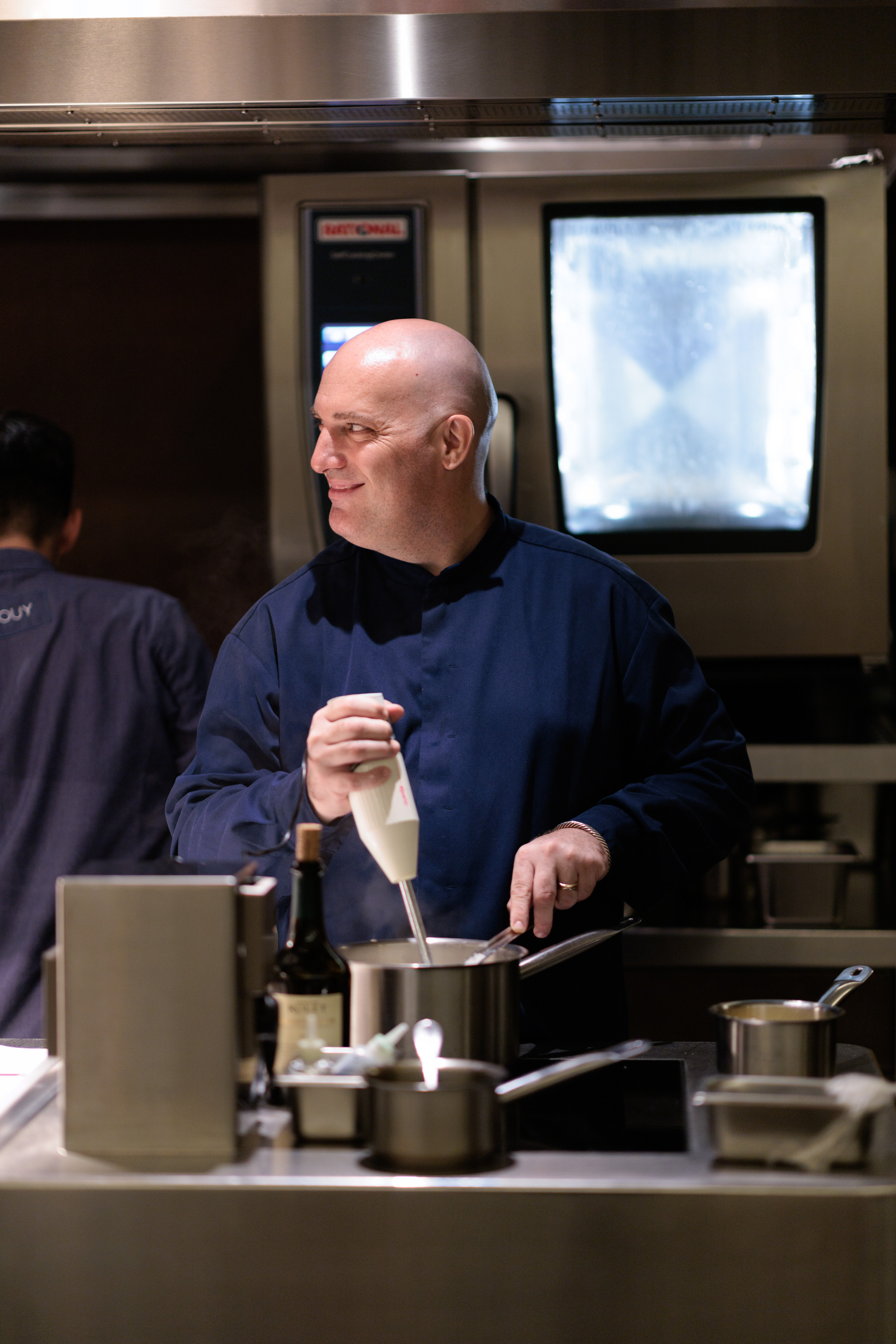
A location shapes a dish more than people realize. Climate, culture, ingredients, architecture, even the mood of a city all influence how people eat and how you cook
.In Singapore, for example, there is an intensity and multicultural energy that naturally pushes you toward contrast, depth and clarity of flavour.
Have you ever created a dish that could only exist in one specific place?
Yes. Some dishes are impossible to separate from the moment and the environment where they were created.
Sometimes it is because of a very local ingredient, but more often it is because of the atmosphere around it: the humidity, the people at the table, the story of the event.
You can recreate the recipe elsewhere, but not the exact emotion behind it. That only belongs to that place and that moment.
Do constraints tend to frustrate you or inspire you creatively?
Constraints are necessary. Too much freedom can actually weaken creativity.
Some of the best ideas come from limitations: a restricted ingredient list, a difficult kitchen setup, a short timeline.
Constraints force you to simplify and focus on what truly matters in a dish.
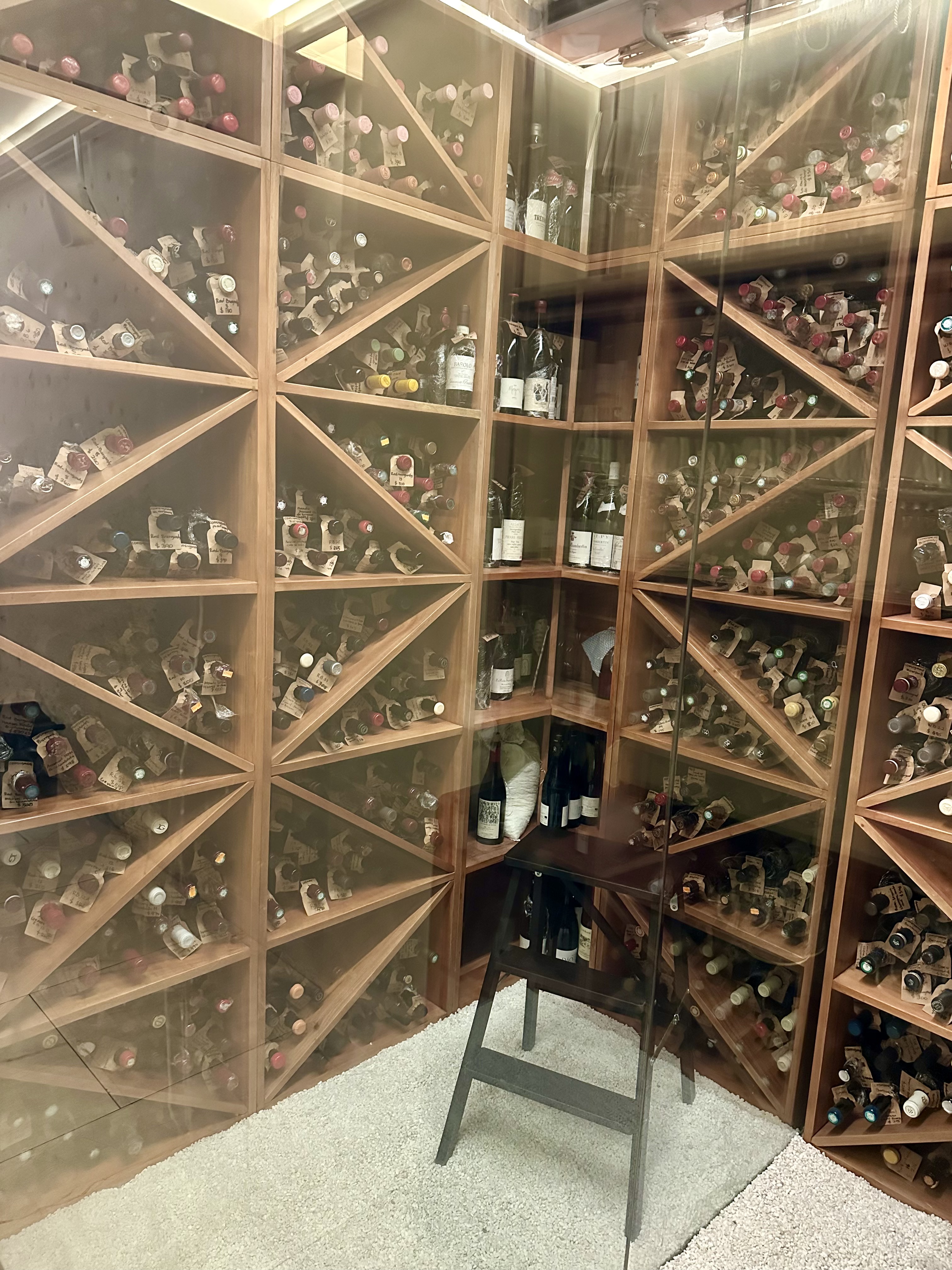
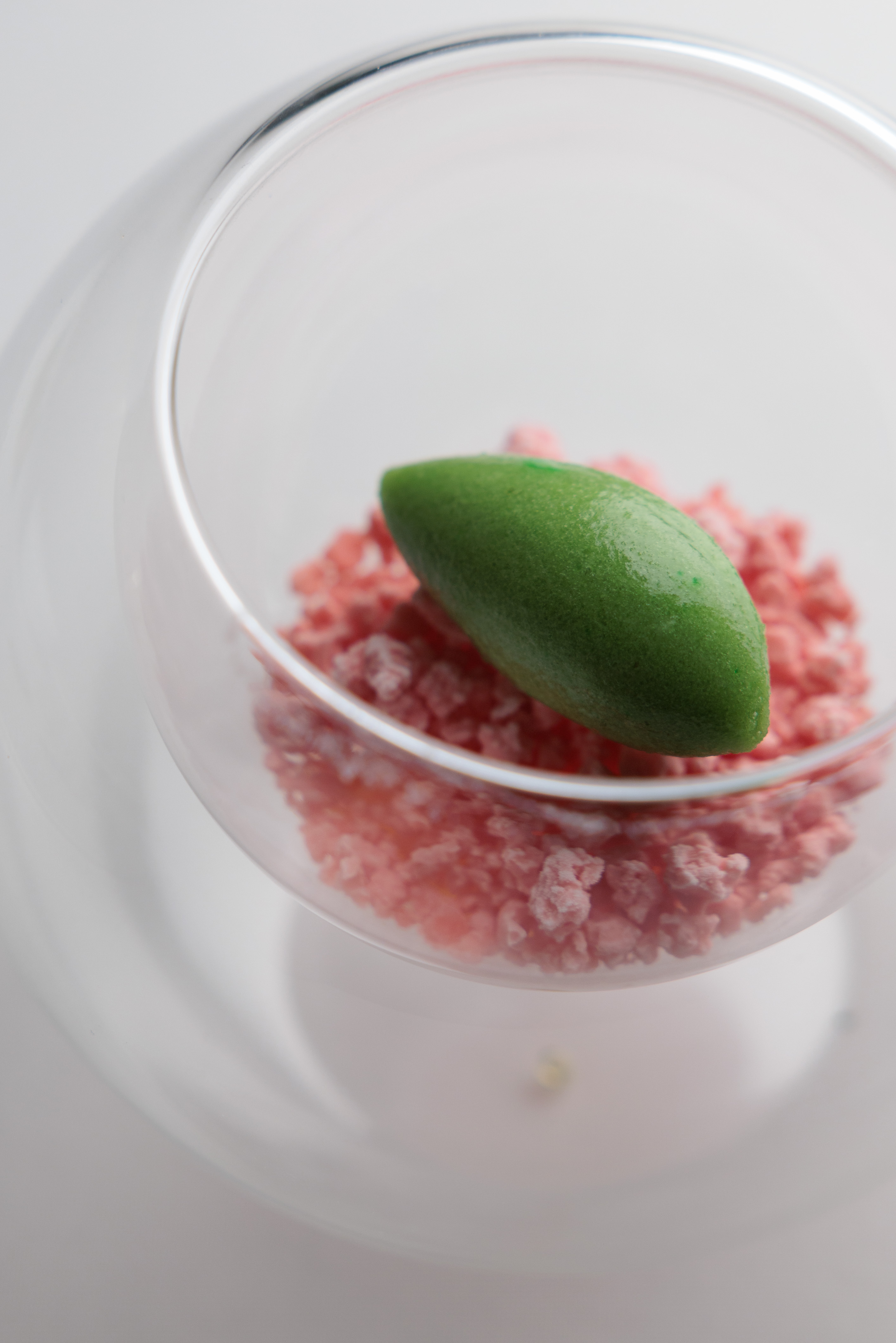
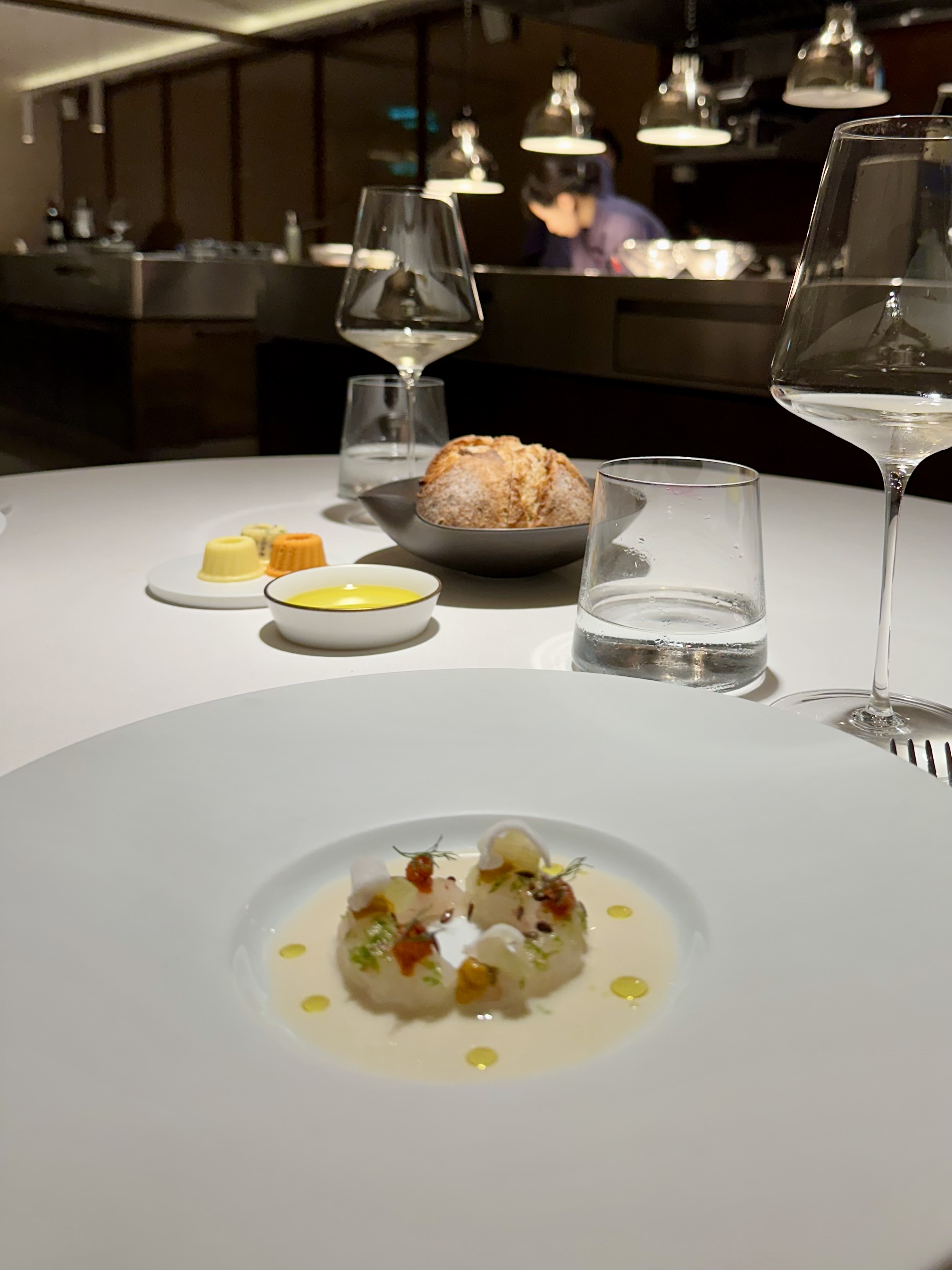
Is there a moment during an off-site event that permanently changed the way you cook or think about food?
Yes. I remember doing an event where many things went wrong technically, but the guests connected deeply with the experience because the cooking felt honest and alive.
It reminded me that food is not only about perfection. People remember emotion, generosity, flavour and the precision of good cooking more than technical flawlessness.
What do you like about experiences that only exist for one night?
I like that they bring something new and different from everyday life, both for me and for the team.
I also love the intensity of them. Everyone, the chefs, the team and the guests, understands that the moment will never happen again in exactly the same way.
That creates a special kind of attention and emotion. There is something beautiful about knowing the experience is temporary.
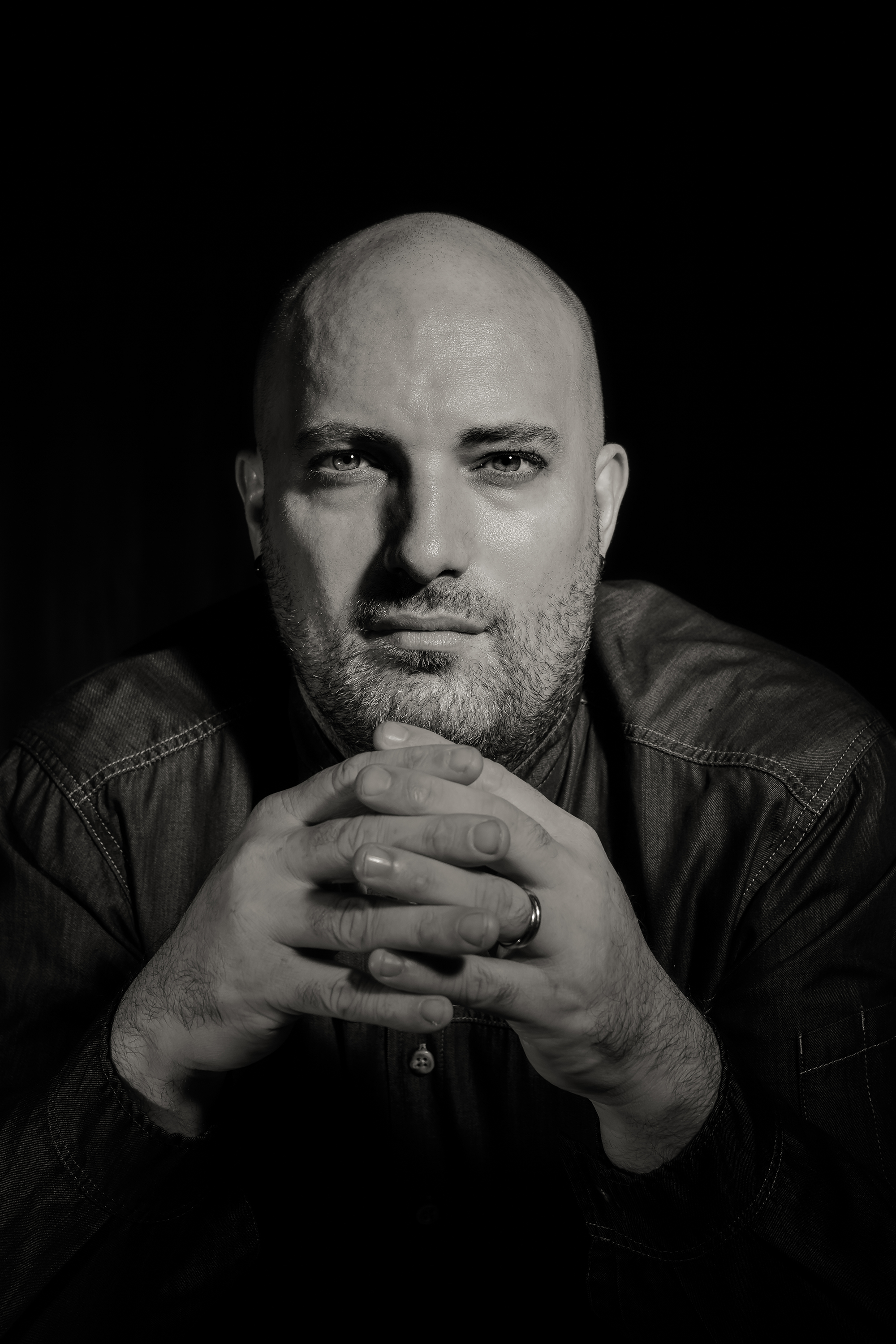
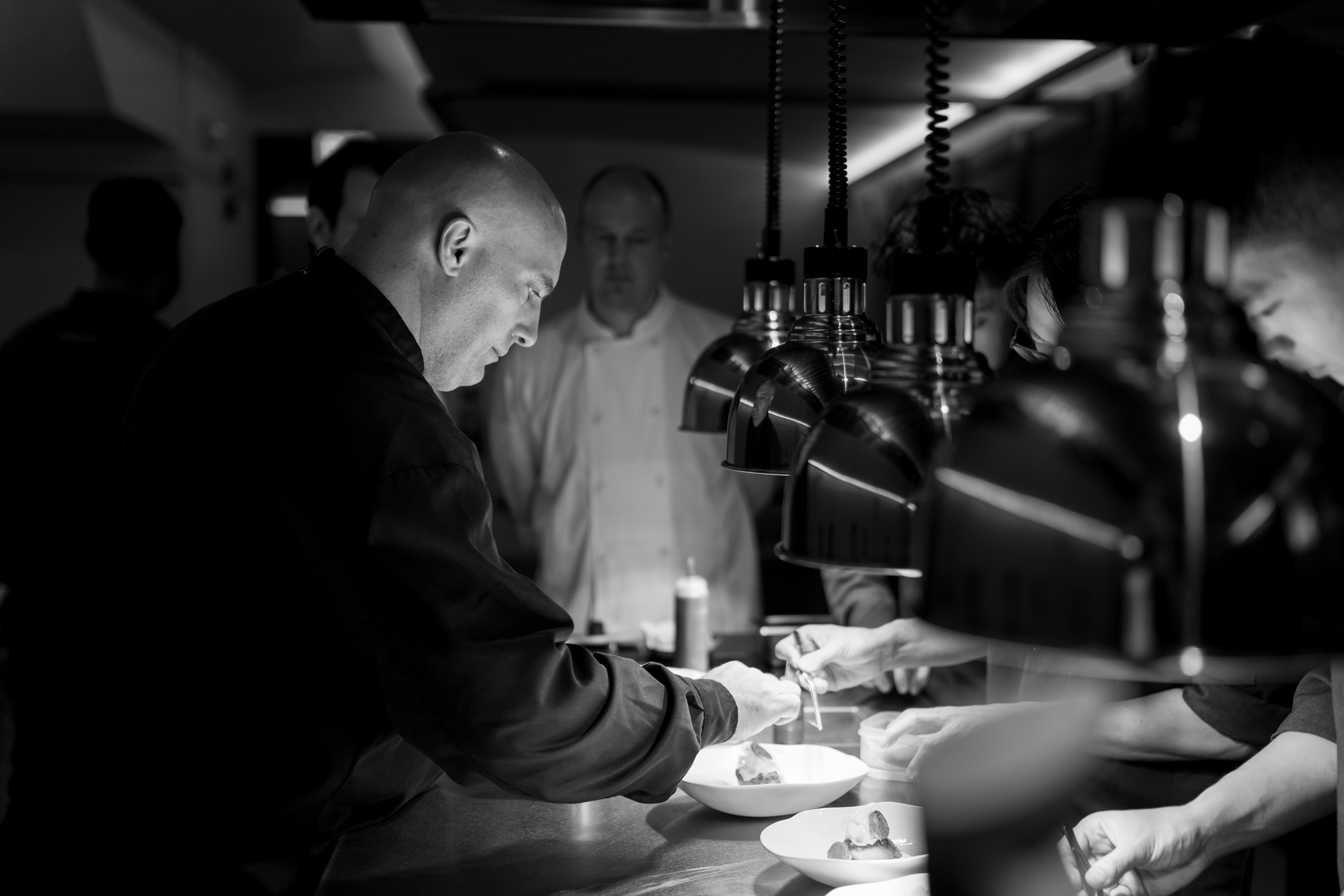
Can temporary experiences sometimes feel more meaningful than permanent ones?
Absolutely. Sometimes the fact that something disappears makes it more powerful.
A one-night dinner exists mainly in memory. People become fully present because they know it cannot be repeated. That feeling is very rare today.
What are you still chasing that you haven’t achieved yet?
I think I am still chasing purity and simplicity. The ability to express something emotional and precise with less and less unnecessary complexity.
As a chef, you evolve from wanting to impress people toward wanting to move them through simplicity.
That journey never really ends.

@lerouy_
Julia Sedefdjian
"Temporary events disappear, but we always try to leave a lasting impression."
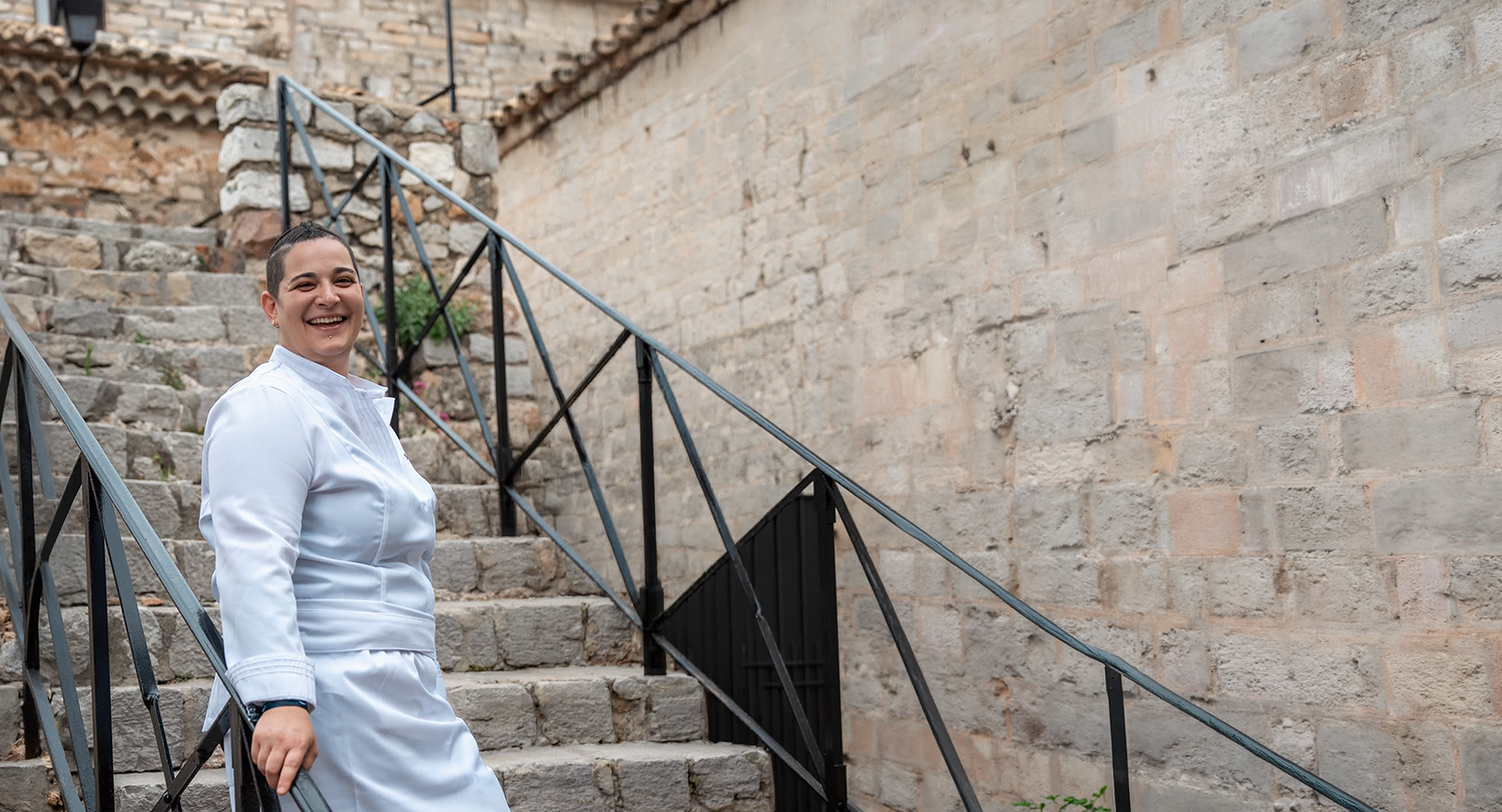
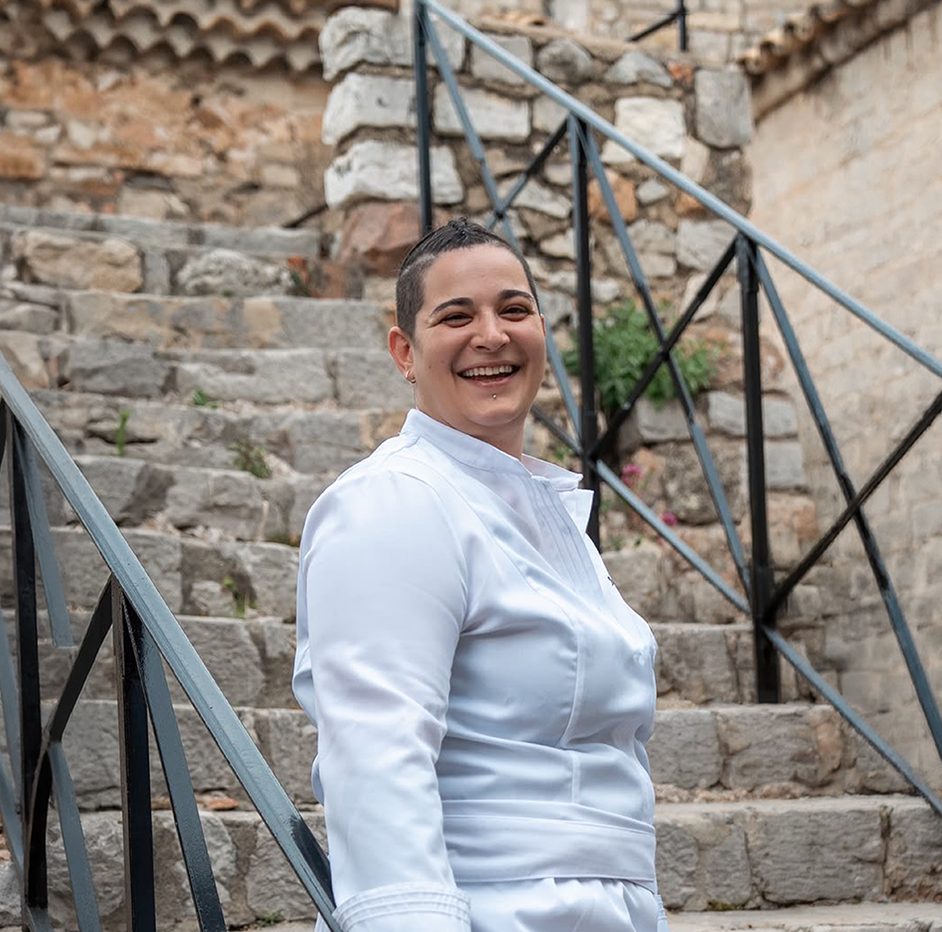
A conversation with Julia Sedefdjian following a private gathering created for Amazon Advertising